



This easy reverse marinade is brushed over meat and veggies after they’re done cooking. Made from fresh herbs, aromatics, citrus zest, oil, and vinegar, it comes together in minutes and adds layers of bright, savory flavors wherever you use it. It’s easy to customize with your choice of ingredients.
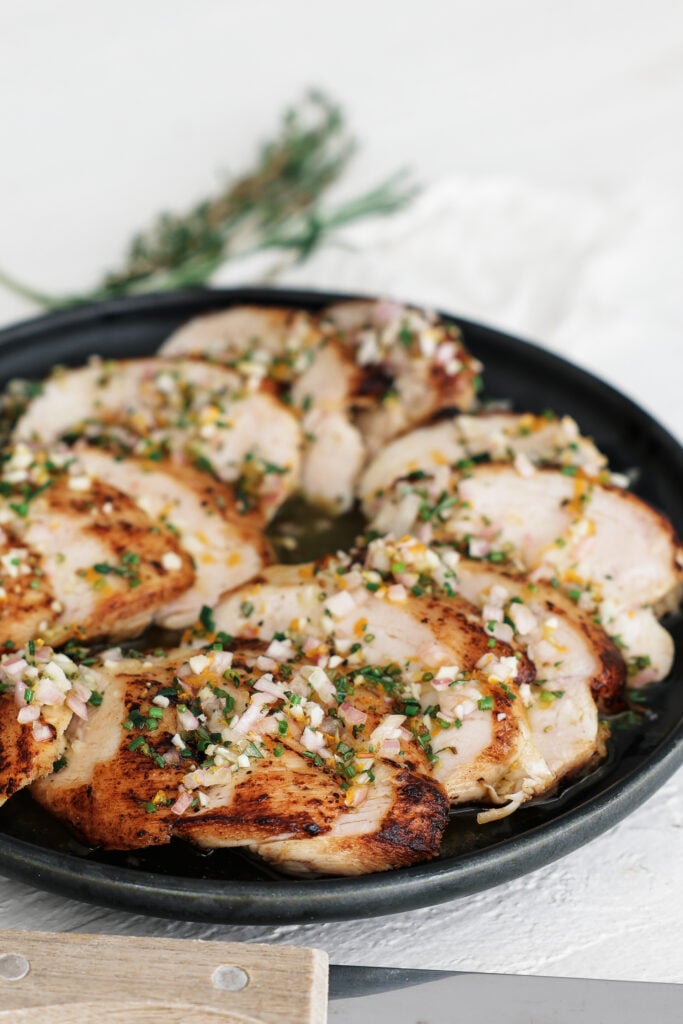
One of the easiest ways to add serious flavor to all of your meals is with sauces. I have all kinds of homemade sauces on my blog, but one I don’t use nearly enough is a reverse marinade. Like a cross between my classic Chicken Marinade and this herby Chimichurri Sauce, it’s bright, zesty, savory, and, most importantly, one of the best ways to bump up the surface flavors on your steak, fish, chicken, veggies, and more.
All-Purpose Reverse Marinade
A reverse marinade is a concentrated liquid or sauce made from a balanced combination of oil, acid, herbs, and aromatics, then brushed or poured over food after it’s cooked. Unlike a traditional marinade for steak, chicken, and other proteins, whose goal is to tenderize and infuse food with flavor before cooking, a reverse marinade’s only job is to upgrade the surface flavors that might have been dulled by the cooking process.
I made this finishing sauce with all of the good stuff I love in a classic marinade, including olive oil, fresh garlic, shallots, orange zest, vinegar, and a heap of fresh herbs. It’s bright, fresh, and tangy, making it a perfect choice to drizzle over grilled chicken, pork chops, seared steak, and even roasted vegetables. The food just drinks up all that flavor as soon as it’s done cooking.
But the best part is the flexibility. You can make a reverse marinade with almost any variety of herbs and spices, fresh chili peppers, the vinegar or citrus juice that’s already in your pantry, or keep things simple with a pre-made spice blend. I recommend trying my recipe once or twice, then customizing the ingredients based on what you plan to serve it with.
Ingredients and Substitutions
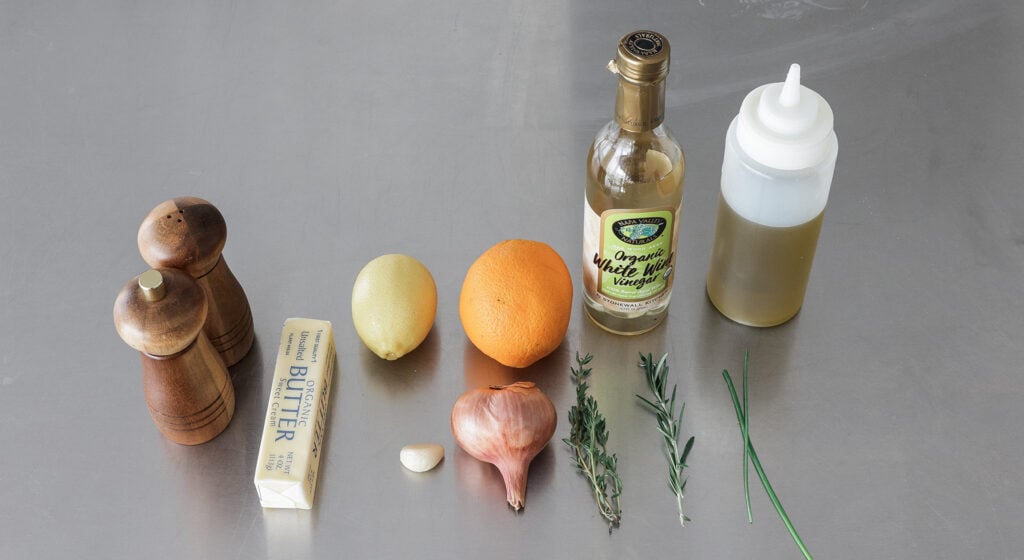
This reverse marinade is all about using what you like and can be customized with almost anything. Here’s what you’ll need, including substitution ideas that work just as well:
- Aromatics – I used a diced shallot and minced garlic cloves. The shallot can easily be substituted for a diced white, red, or yellow onion if you prefer.
- Fresh Herbs, finely minced fresh rosemary, thyme, and chives. Almost any fresh or dried herb would taste great, such as parsley, cilantro, oregano, mint, and basil.
- Orange Zest adds mellow citrus flavors. Lemon zest and lime zest work well as substitutes.
- Vinegar is the acid component in the marinade. I prefer white wine vinegar best, but red wine vinegar, apple cider vinegar, and balsamic vinegar also work. You can swap the vinegar for lemon juice, orange juice, or lime juice.
- Olive Oil or Avocado oil
Flavor Variations
This easy marinade tastes great no matter how you use it. However, it can always be customized depending on what you plan to serve with it. Here are some ideas:
- Mediterranean, Swap the orange zest for lemon zest and the herbs for fresh oregano and parsley. This works perfectly on cooked chicken, tofu, lamb, and fish.
- Asian-inspired use sesame oil, grated ginger, sliced scallions, and rice vinegar, then pour it over grilled chicken thighs.
- Mexican: Swap the herbs for fresh cilantro and the vinegar for lime juice. Use lime zest instead of orange zest. Add a pinch of cumin, chili powder, and red pepper flakes for some heat. This would taste great poured over flank steak and seared shrimp.
- Smoky BBQ: Add a dash of smoked paprika and chili powder, use apple cider vinegar, add a splash of Worcestershire sauce, and soy sauce. Omit the fresh herbs. Brush this onto grilled salmon, chicken thighs, or pork chops as soon as you take them off the grill.
How to Make a Reverse Marinade
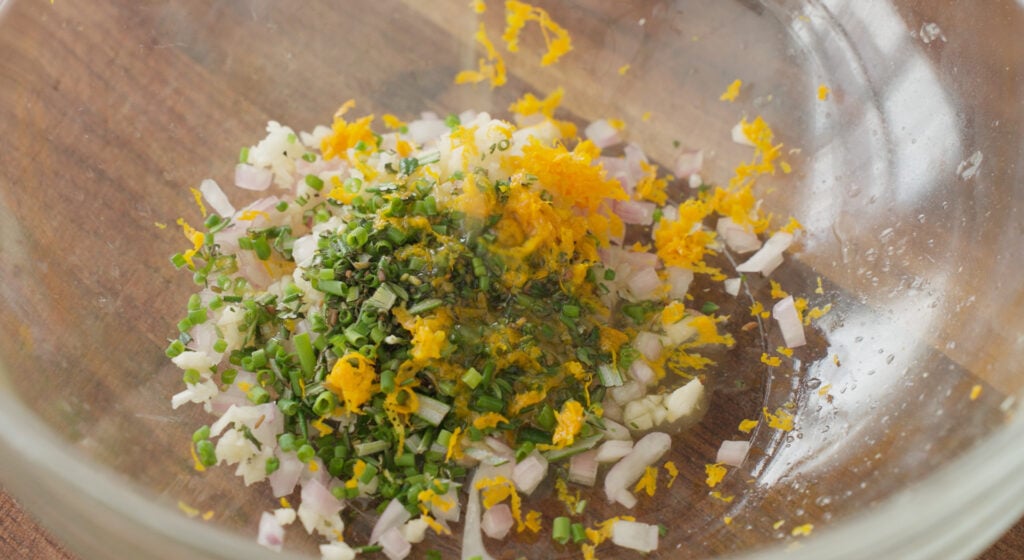
Combine: Start by mixing all of the ingredients (except the oil) together in a large bowl.
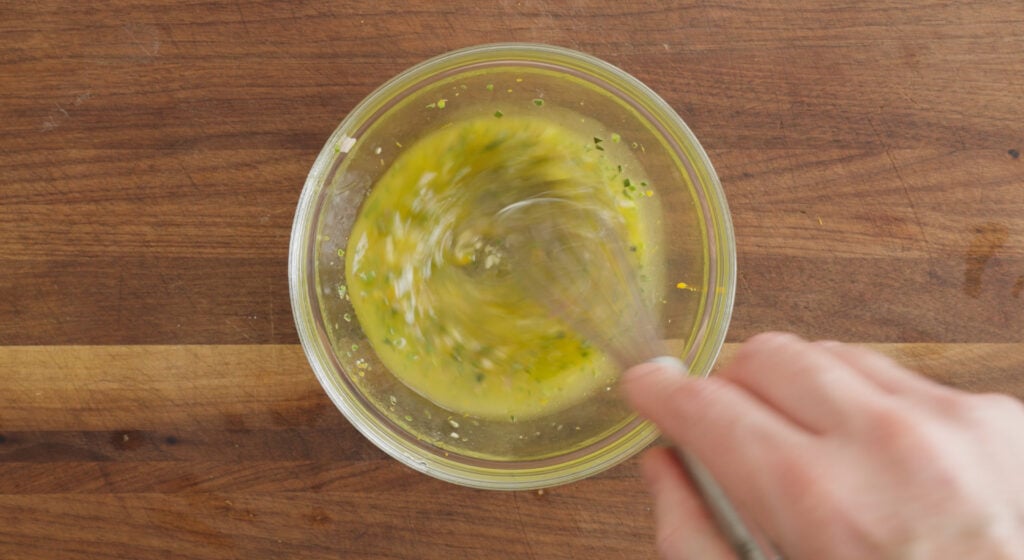
Drizzle the oil: Next, slowly drizzle in the olive oil while whisking vigorously. This emulsifies the marinade.
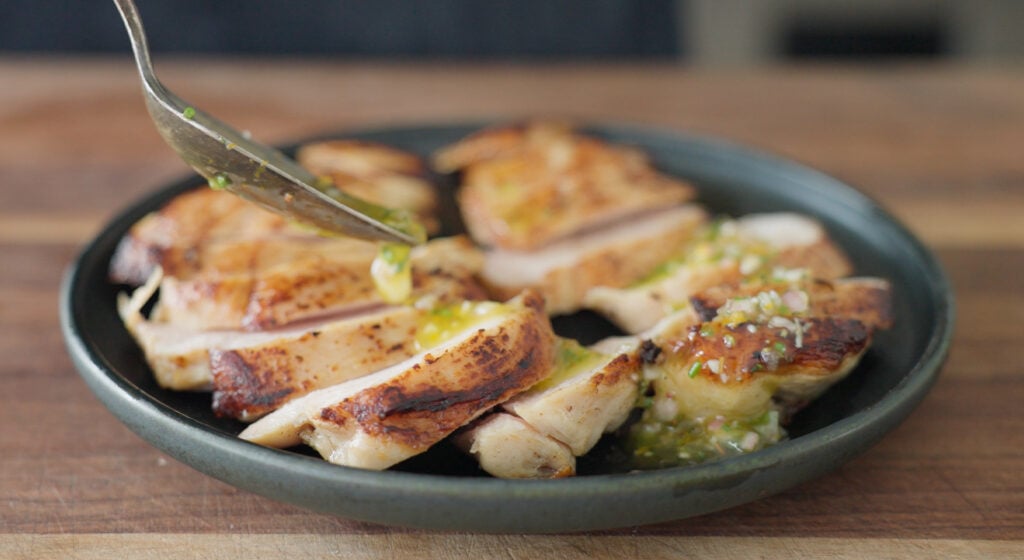
Marinate: Pour the marinade over the cooked protein or vegetables of your choice.

Chef Tip + Notes
The beauty of this recipe is its flexibility. You can use dry herbs, different fresh herbs, different citrus zests, another kind of vinegar, or the oil you already have on hand instead of what’s in the recipe card. Feel free to use my Greek Chicken Marinade, my Asian Chicken Marinade, or the flavor variations above for inspiration before putting your own spin on the ingredients.
- More add-in ideas: There’s so much room for customization here. You can also add chili flakes, Dijon mustard, soy sauce, chili oil, smoked paprika, mirin, honey, fennel, hot sauce, diced chili peppers, cardamom, cumin, etc.
- Pour over hot food: Warm proteins will soak up the oil, vinegar, herbs, and aromatics much more easily than cold proteins. That’s why I like to make this marinade well in advance. This way, it’s ready to use as soon as my steak comes off the stove or when my salmon comes out of the oven.
- Rest before serving so the food can absorb the flavors.
- Using dry herbs: Any dry herb works well here (including dry herb spice blends), but I recommend using less than what the recipe calls for since their flavor is more concentrated.
Serving Suggestions
I always serve this reverse marinade after the food is cooked, while it’s still hot. I’ll pour it over the meat or veggies, let the food absorb the flavors for a few minutes, and then dig in.
I use this reverse marinade on almost any protein. Its flavors pair well with chicken, steak, lamb, pork, salmon, shrimp, and even tofu. It’s one of my favorite ways to finish off a seared steak and to make my broiled salmon extra flavorful.
Heck, I’ll even drizzle it over my cooked vegetables, like roasted red potatoes, when I want to kick things up a notch.
Make-Ahead and Storage
Make-Ahead: I like making this 1–2 days ahead to give the flavors time to deepen and to save time while the main dish cooks.
How to Store: Store leftover sauce covered in an airtight container or sealed jar in the fridge for up to 2 weeks. If the oil solidifies in the fridge, leave the marinade on the kitchen counter for about 30 minutes so it can return to liquid.
More Sauce Recipes

Video
Reverse Marinade Recipe
Ingredients
- ½ peeled small-diced shallot
- 1 finely minced garlic clove
- 1 teaspoon finely minced fresh rosemary
- 1 teaspoon finely minced fresh thyme
- 1 teaspoon thinly sliced fresh chives
- zest of ½ orange
- 2 tablespoons white wine vinegar
- ¼ to 1/3 cup olive oil
Instructions
- In a large bowl, add all the ingredients except for the oil.
- Next, slowly drizzle in the oil while vigorously whisking to emulsify the marinade.
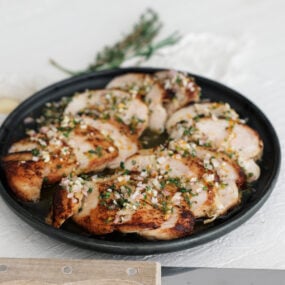
- Drizzle the marinade over any cooked chicken, fish, pork, steak, or vegetables.
Do you have a cookbook? We need your cookbook!!
I don’t have one, maybe someday! All of my recipes are right here on my website.
This was outstanding on grilled flank steak! i’m looking forward to using it again.
Thank you so much!