

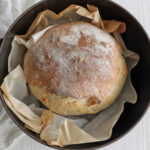
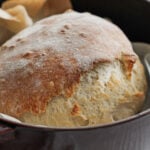
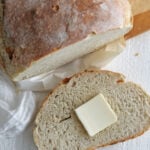
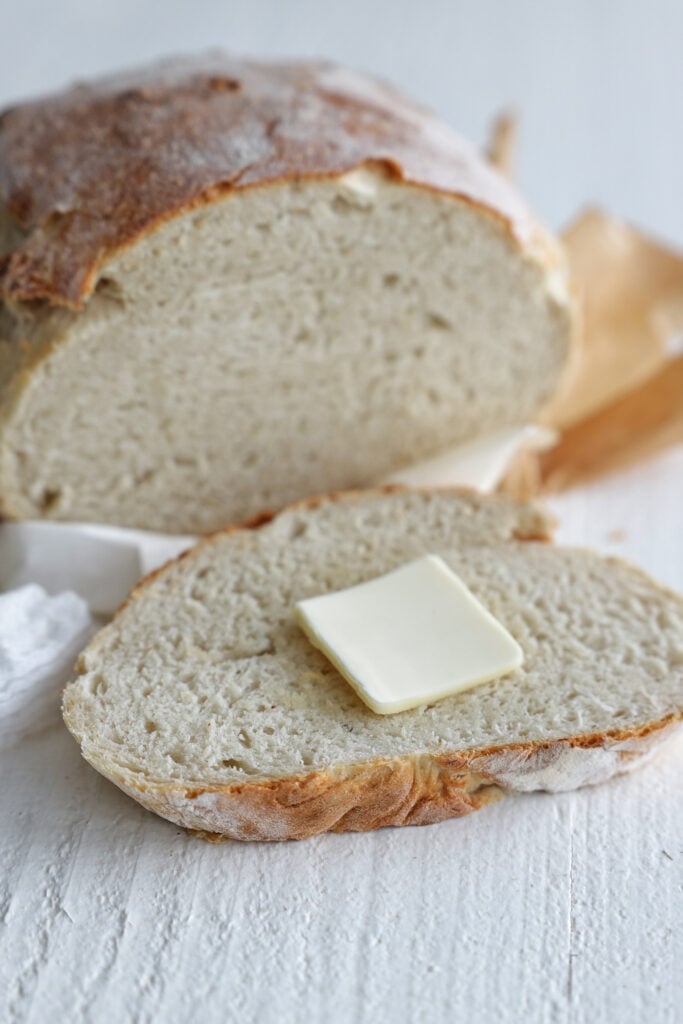
This easy Dutch oven bread is a crusty, tender loaf made from just four ingredients. I made it to skip the all-day babysitting, and it’s become my everyday bread for sandwiches and toast.

I wanted a homemade bread that did not scare people off. It’s a simple mix, a short rest, and one set of folds. Then you walk away until it is time to bake. No coming back every 30 minutes to fold, no 10-to-15-minute knead right out of the gate.
If you’re looking for bread with a more open, airy crumb, then my sourdough bread, homemade focaccia bread, and artisan country loaf recipes are all waiting. But this is the one I hand to somebody baking their first loaf.
What is Dutch Oven Bread?
Dutch oven bread is a simple yeasted loaf that bakes inside a covered heavy pot, which does the job a professional steam-injected bakery oven does. In the first 20 minutes of baking, the lid helps to trap all the steam coming off the dough, which keeps the crust soft so that it can rise. Once I take the lid off, the steam escapes, and the crust dries out and becomes brown and crispy.
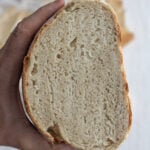
This version has a fairly closed crumb because the fermentation is short on purpose, and that is exactly the point. It is a sturdy, sliceable everyday loaf rather than an open, holey artisan crumb. Since I made this recipe, my wife and daughter have been using the bread for sandwiches and avocado toast.
Ingredients and Substitutions
Four ingredients, and the flour and the amount of water are the two that decide how the loaf comes out. Here is what I use and why.
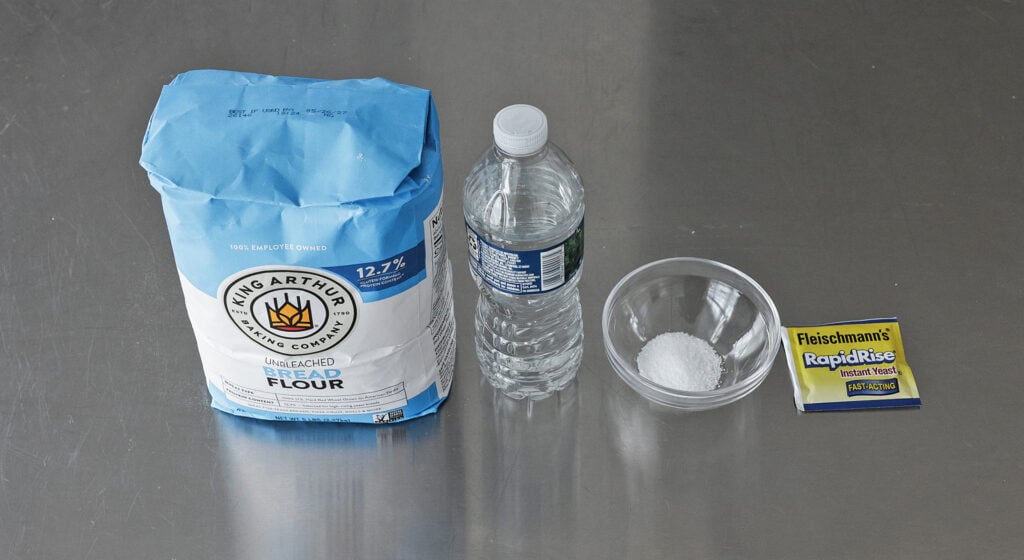
- Bread flour – High protein for gluten strength with a good W value, which is how much work it takes to stretch the dough before it tears. I usually grab King Arthur, the 365 brand from Whole Foods, or one of my newer favorites, Sunrise Flour Mill. All-purpose flour will work, but just be sure to remove 2 tablespoons of water from the total.
- Water – Plain tap water works fine and should be between 90° and 100° F. Those warmer temperatures help to activate the yeast more quickly.
- Yeast – I use instant because it needs no proofing or blooming and gets to work the second it hits the dough. Active dry yeast works as a great replacement.
- Salt – Diamond Crystal kosher salt for me. It seasons the bread, works flavor through the ferment, and helps the crust brown. If you’re using Morton kosher salt, scale the amount back to 1 3/4 teaspoons, or table salt down to 1 1/2 teaspoons.
How to Make Dutch Oven Bread
Mix: I like to use a dough whisk or a sturdy spoon to combine everything until the flour is completely hydrated. This first mix is the whole foundation of the loaf. If any dry flour is left when I stop mixing, that patch never hydrates and shows up as a dense streak in the baked crumb. Then, cover the bowl and let it rest.
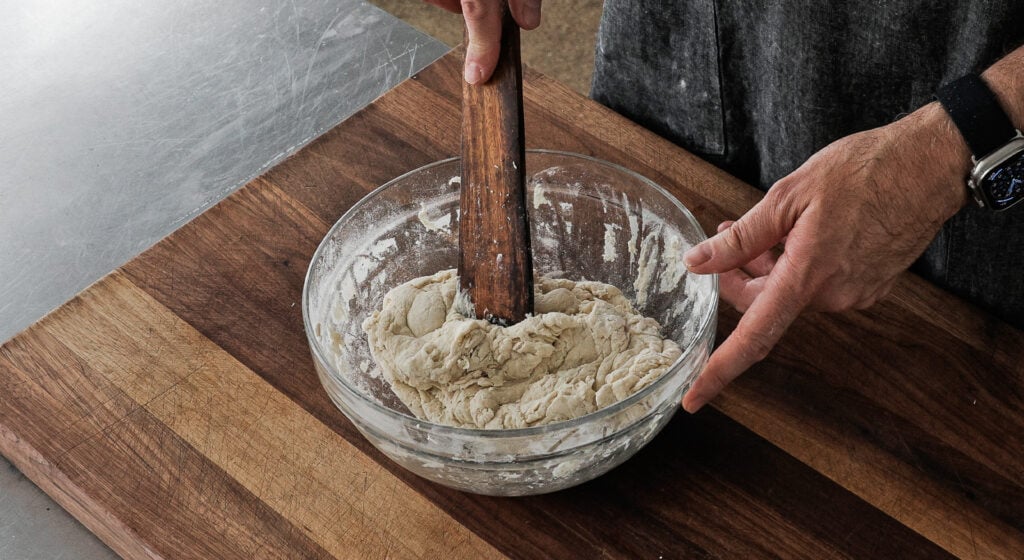
Fold: Grab a section of the dough, stretch it up, and fold it over the center. Turn the bowl 45° and repeat the same stretching process until it stops stretching. The dough will feel tighter, smoother, and be more taut. The single round of folds is what strengthens the gluten and gives the loaf its structure. Skip it, and the dough bakes flatter and denser with a tighter crumb than it should have.
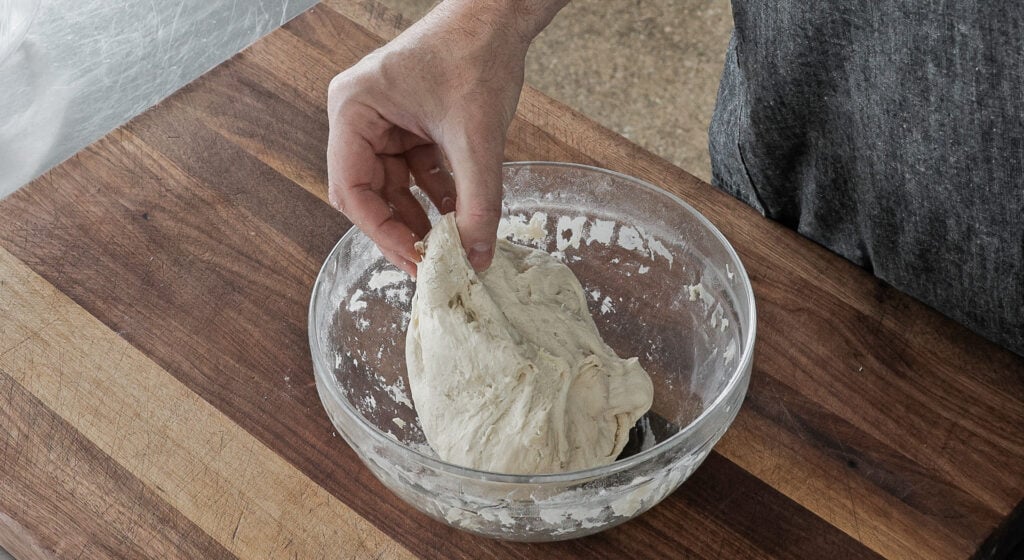
Ferment: Cover and ferment at room temperature until it doubles in size. The top of the dough should also be domed. If it’s anything less than doubled in size, it’s not ready. Form it to create a tight surface to help the loaf rise up rather than spread in the pot.
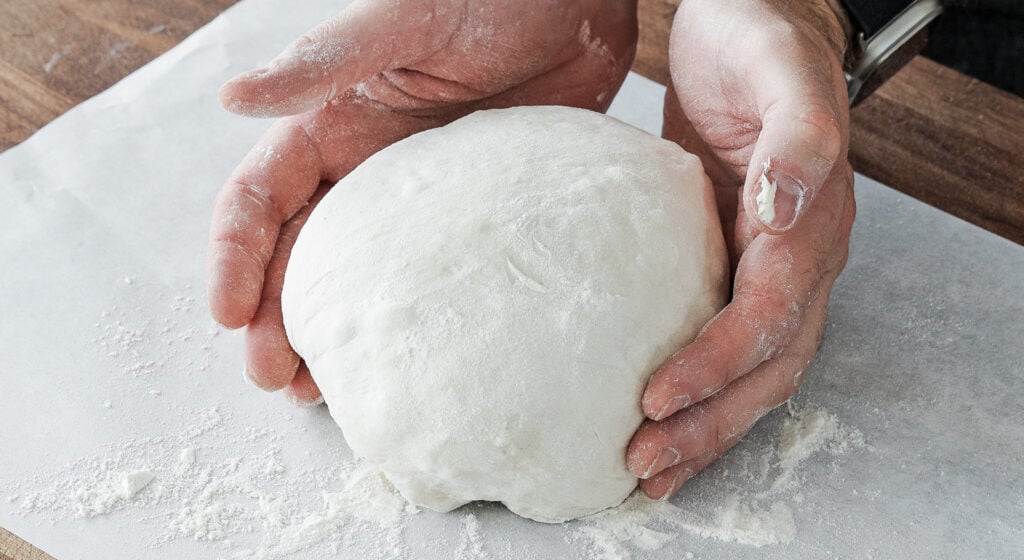
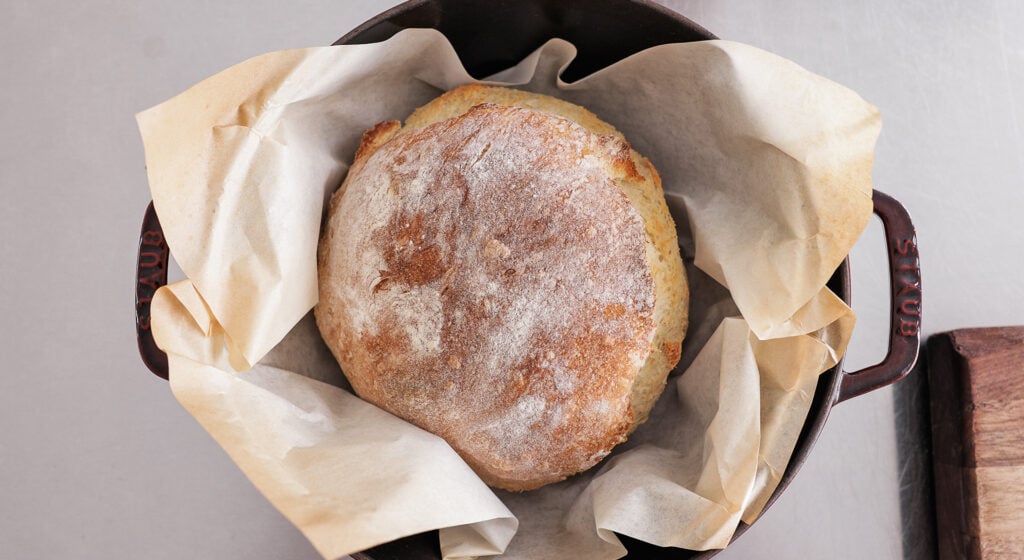
Bake: While the dough rests on the parchment, preheat the pot empty in the oven. The stored heat in the metal is what provides the loaf its oven spring the instant it goes in. A cold or lukewarm pot bakes up a flatter and paler loaf. Once it’s hot, lift the parchment by the sides and lower the dough, paper and all, into the pot and cover it. The dough should still be a taut ball, puffed only about another 1/2 inch. You’ve got this, my friends. Also, the pot is 450° F, so be careful and use oven mitts or towels.
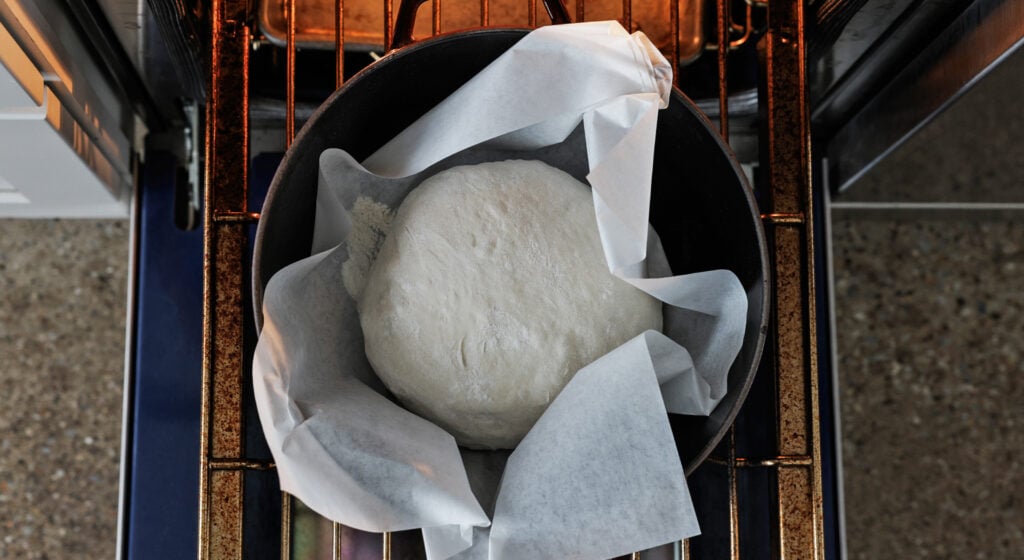
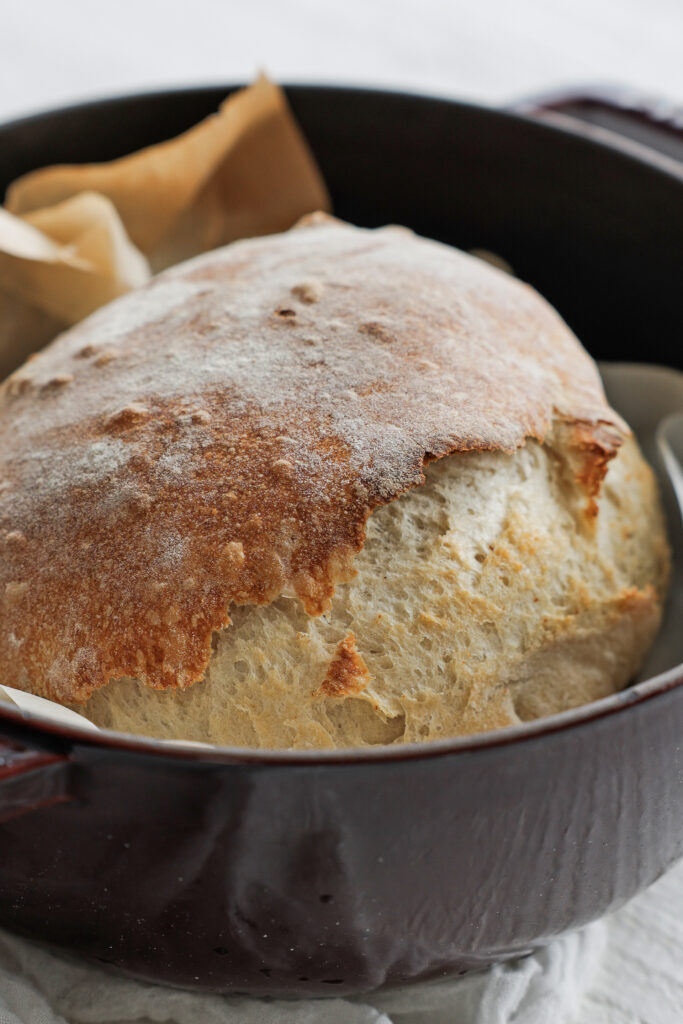
Brown: Remove the lid and bake it until the crust is golden brown. If it’s pale in color, bake it a further 5 to 6 minutes. The bread will have an internal temperature of 200° to 205° F when it’s done. If it goes too far, there will be dark, almost burnt spots.
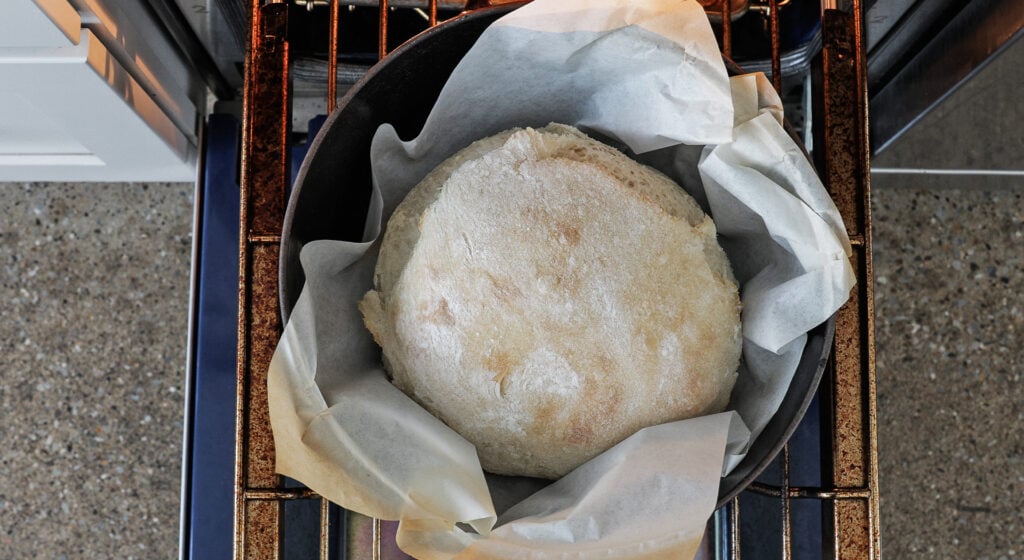
Cool: Take the loaf out and rest it on a rack until it comes down to room temperature, which takes about an hour. Cutting into it hot lets the steam escape and leaves the crumb gummy, so give it the full cool-down before you slice.

chef notes + tips
- The Pot: A 6-to-7-quart Dutch oven or a very heavy cast iron pot is the correct size and material to trap the steam and hold the heat. It does not need to be enameled, so a bare cast iron pot works fine. I like Staub or Le Creuset.
- Score It: Slashing the top with a lame gives you that coveted ear and a dramatic spring off the slice, but it is optional.
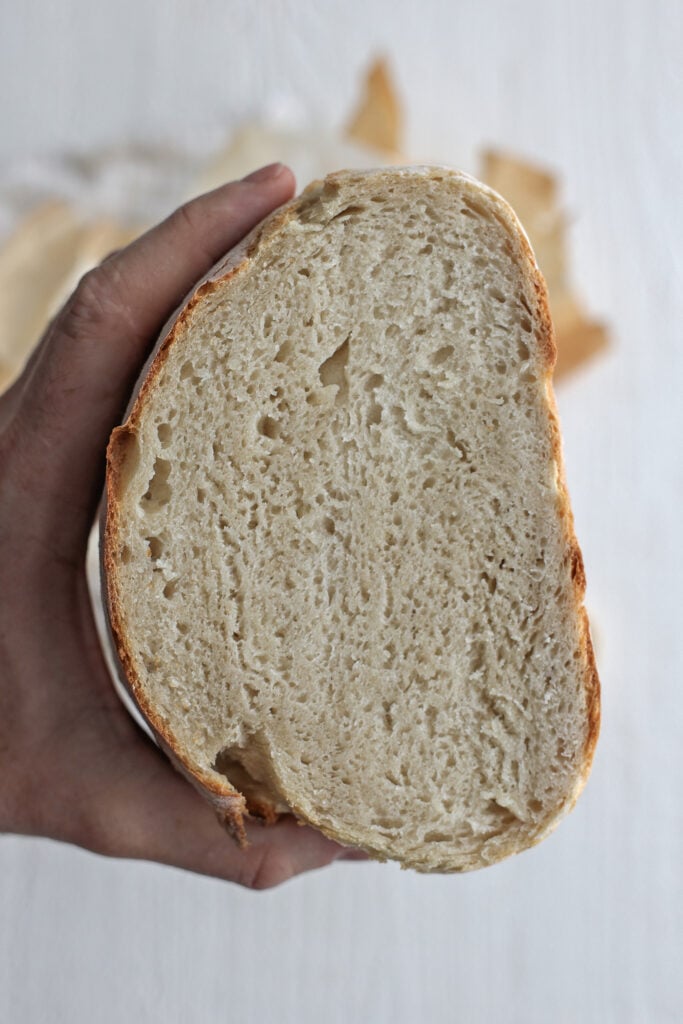
Serving Suggestions
I usually add butter or my herb and garlic compound butter to the slices of bread. On an easy morning, it’s the base for scrambled egg toast. The closed crumb holds up to a load of toppings without going soggy. Come dinnertime, it goes alongside a bowl of tomato soup with a thick slice to mop up the bowl. If I have day-old bread left, I rub it with garlic and make garlic bread, or slice it thin for sandwiches all week long.
Make-Ahead and Storage
Make-Ahead: I can bake this loaf up to a day ahead, and it holds its freshness well.
How to Store: I place it cut side down, wrap it loosely in parchment paper, and keep it at room temperature for up to 3 days, or covered in plastic and in the refrigerator for up to 5 days.
Freezing: Freeze this loaf covered for up to 3 months. Thaw it at room temperature or in the refrigerator until soft again.
More Bread Recipes
- French bread
- Homemade brioche bread
- Homemade pita bread
- Kamut flour bread with biga
- Irish soda bread

Dutch Oven Bread Recipe
Ingredients
- 4 cups bread flour
- 1 1/2 cups warm water, plus 1 tablespoon, about 90° to 100° F
- 1 2/3 teaspoons instant yeast
- 1 tablespoon salt, Diamond Crystal Kosher, see substitutions above
Instructions
- Add all the ingredients to a large bowl and mix everything using a dough whisk or spoon until no dry flour remains. Cover and let it rest 30 minutes.
- Next, perform a series of folds by grabbing part of the dough, pulling it up, and folding it over the center. Turn it 45 degrees and repeat the process. You’ll get 5 to 6 pulls, and then it won’t stretch anymore. From there, just tuck it under gently to form a more taut ball.
- Cover and bulk ferment about 2½ hours at room temperature, or until it’s doubled in size or more.
- Transfer the dough to a floured sheet of parchment paper and form into a taut ball. Pinch any seams of the dough to close it up and rest seam side down for about 30 minutes. The dough should still be a taut ball after this, and only puffed by about a half inch.
- In the meantime, preheat a 6-to-7-quart Dutch oven pot on a middle rack in the oven to 450° F.
- Lift up the parchment by holding the sides of it and lower it into the hot, preheated Dutch oven pot.
- Cover and bake for 20 minutes.
- Remove the lid and bake another 15–20 minutes, or until well browned. It will be 200° to 205° F internally when done.
- Remove and rest on a rack until cooled to room temperature, about 1 hour. Slice and serve.
Dutch Oven Bread Recipe