
Creamy Garlic Chicken

- By Chef Billy Parisi
- Published
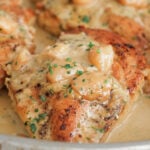
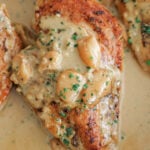
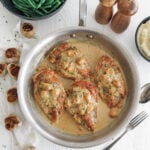
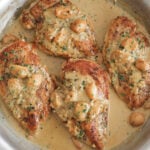


My creamy garlic chicken is a simple comfort food of seared chicken breasts simmered in a rich, creamy, garlic-filled sauce. I slow-cook whole garlic cloves in olive oil until caramelized and tender, and add them to the creamy sauce at the end. It’s easy enough to prepare for a weeknight meal if the garlic confit is already in your fridge, and elegant enough for date night.
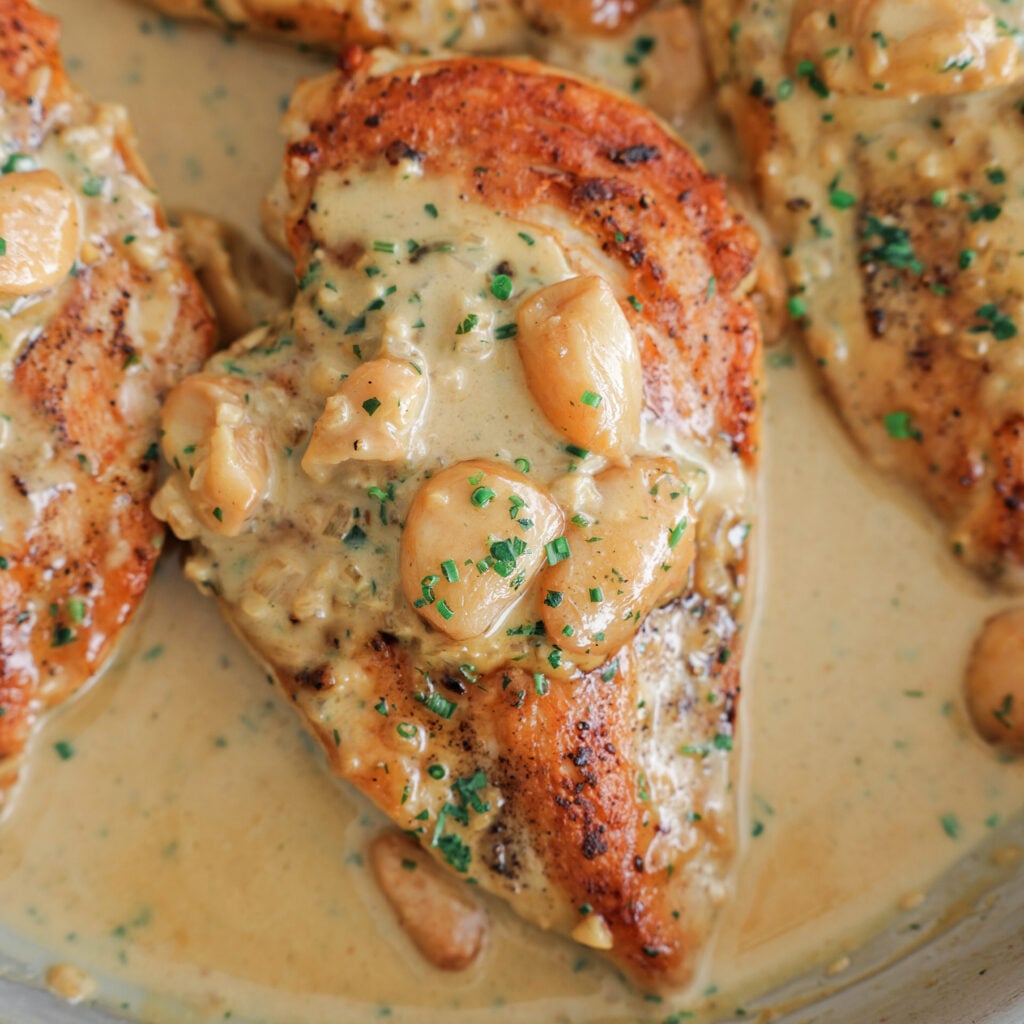
I started making this dish a few years ago and honestly wasn’t too sure if my family would enjoy it, simply because of the amount of garlic in it. After all, eating that much garlic usually means it sits on your breath all day. Well, I was beyond surprised when both my wife and daughter loved it, and I mean loved it. Believe it or not, there’s no garlic breath afterward, because slow-cooking the garlic takes away its harshness.
If this creamy garlic chicken is a win at your house, my family also loves my marry me chicken with its creamy tomato sauce, similar to a vodka sauce recipe, as well as my creamy Tuscan chicken with tomatoes and spinach.
Creamy Garlic Chicken
My cooking, especially in this dish, focuses on building layers of flavor at each stage, and the garlic shows up in three of them.
I slow-cook the garlic cloves so that they’re bursting with roasted garlic flavors. Then, I sear the chicken in the rendered garlic confit oil. I caramelize the shallots for umami and sweetness. I then cook the minced garlic in the sauce and finish it with soft garlic confit cloves. Yes, it may take a bit more time, but this dish works because I’ve carefully taken classical cooking techniques of searing, caramelizing, and simmering and applied them to this creamy garlic chicken.
Ingredients and Substitutions
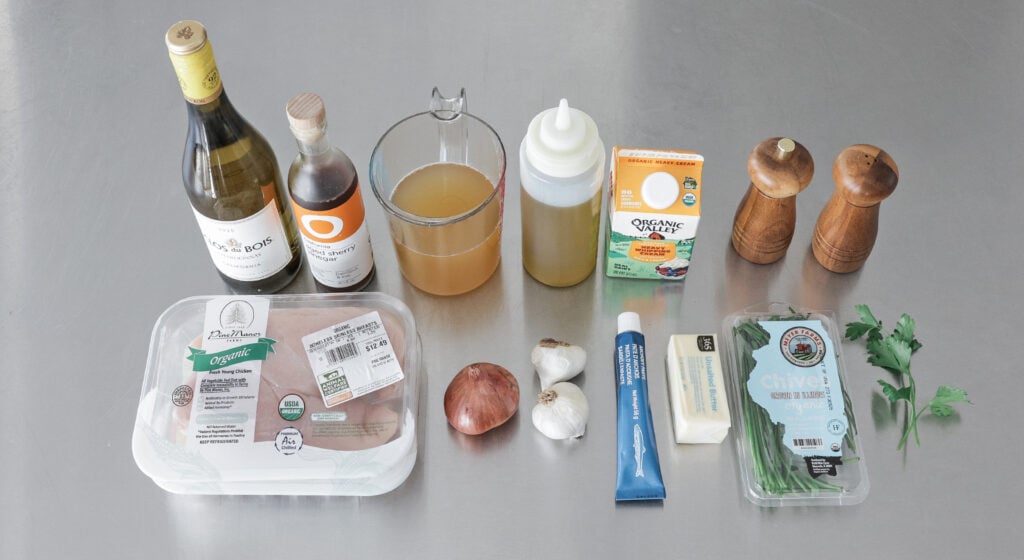
- Salt and Pepper to Taste – I use Diamond Crystal kosher salt, and I finely grind different-colored peppercorns in an electric grinder.
- Chicken – I used boneless, skinless chicken breast because, well, that’s what my family likes and unfortunately only eats. However, I’ve tested boneless, skinless chicken thighs, and honestly, that’s one I prefer. Since the chicken is reheated in the sauce, there’s no reason to have skin on, as it will turn soft and rubbery.
- Garlic – I use whole garlic cloves for the garlic confit, and some are finely minced in the pre-cooking of the sauce. You’ll need both for this recipe.
- Olive oil – This is used in the making of the garlic confit, which renders out garlic confit oil that I sear the chicken in. When purchasing, I usually look for what’s on sale, organic, and cold-pressed. I’ve been liking that Graza brand a lot lately and also use the Whole Foods 365 brand. I sometimes substitute any neutral-flavored oil if that’s all I have on hand, and even if so, that rendered oil will still be infused with plenty of garlic flavor.
- Butter – I always use unsalted so that I can control the sodium content and not a butter company. This is used to gently cook the shallots when making the sauce.
- Shallots – A little umami added to the sauce with some pan-roasted shallots. You could substitute for a red, white, yellow, or sweet onion.
- Anchovy Paste – Some big-time savory umami flavors, and no, you will not taste any fish at all. That’s not how anchovy paste works. If it weirds you out, skip it, it’ll still be a dang tasty sauce.
- Dry White Wine – You could use Chardonnay, Pinot Grigio, Sauvignon Blanc, or any other dry white wine. My main rule of thumb is to cook with something you would also drink. This adds acidity, body, and complexity to the sauce. If you do not drink alcohol, substitute the scant 1 cup of wine with a scant 1 cup of chicken stock and two teaspoons of lemon juice.
- Chicken Stock – Any good chicken stock will work, and I definitely recommend it to help give the sauce much more body and richness. If you don’t have homemade, those boxed stocks are great; I like the Pacific or Kitchen Basics brand.
- Heavy Whipping Cream – This is where all that fat, flavor, thickness, and richness to the sauce comes from. If you try to use half and half or milk, it won’t thicken and will likely break once the vinegar hits it.
- Dijon Mustard – This adds a certain amount of tang and a gentle hint of spice that really just mixes right in. Don’t worry, you won’t taste anything spicy in the sauce. This is another one of my secret little weapons to add into sauces.
- Sherry Vinegar – I use this to finish the sauce with a bit of acid, making it even more succulent. A great option is the same amount of lemon juice.
- Parsley – This adds nice, bright herbal notes to the sauce. Not to mention, a nice punch of green to make things pop.
- Chives – A gentle hint of onion, though optional.
How to Make Creamy Garlic Chicken
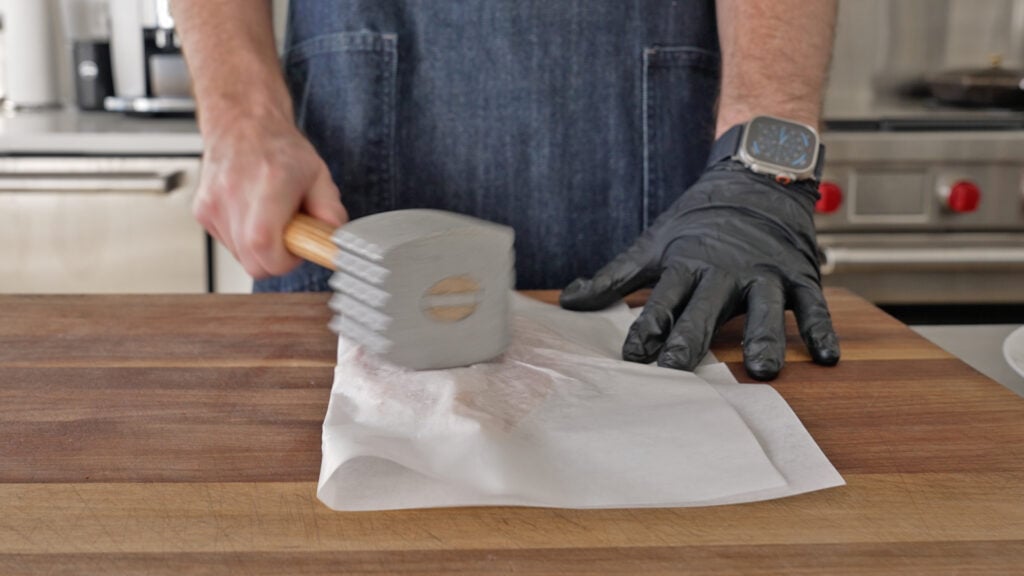
Prepare: When pounding the chicken, it should be evenly thick throughout, about an inch thick when it’s done. If it starts to tear or gets too thin, it’s still usable, but the goal is uniformity.
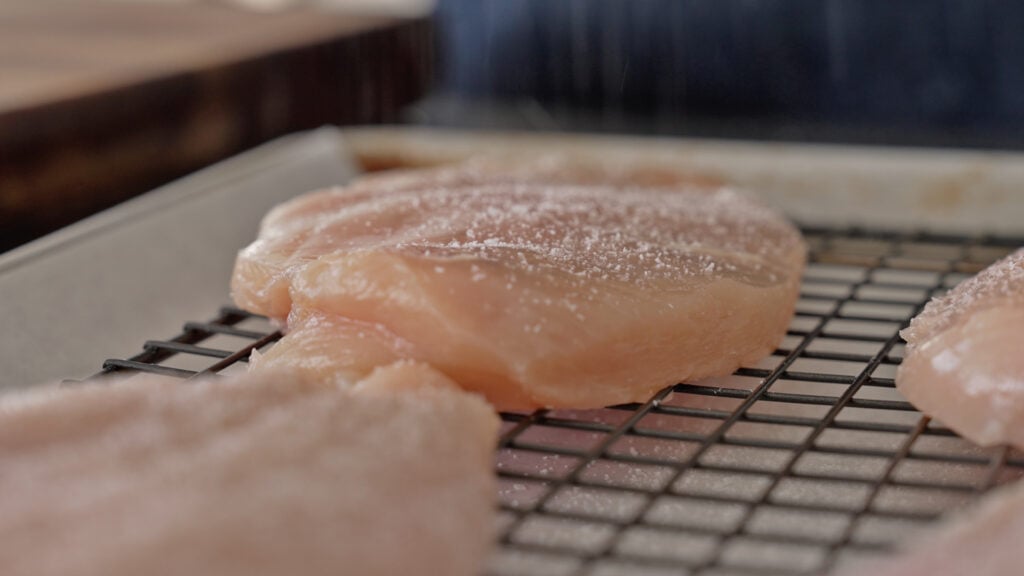
Season: I season the chicken with salt from about a foot away to cover more surface area. As the chicken dry brines in the fridge for a short time, it will form a pellicle, so the surface of it will look shiny and sticky, which is good to help with a dark brown sear.
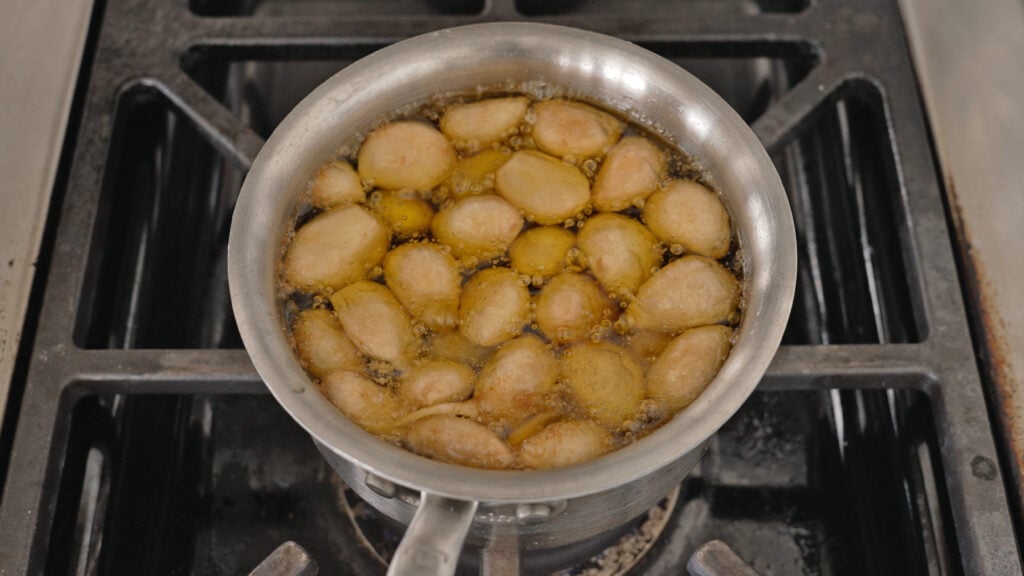
Make the Garlic Confit: If this is not already made, now is a good time. I’m looking for it to be light to medium golden brown and be extremely tender. You should easily be able to smash it. If they’re too blond in color, keep cooking them. If it’s too dark brown, it can risk turning bitter. The goal is for the oil to create tiny little slow bubbles that break the surface, not a deep fry.
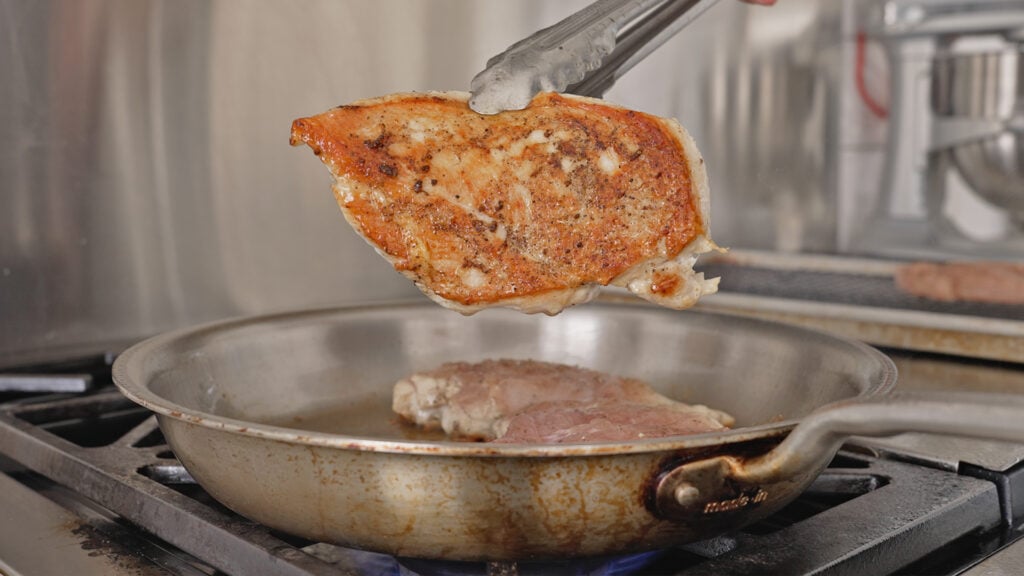
Sear: The goal is for the chicken to be golden brown on both sides, so control the heat up or down if you need to. The breasts should release from the pan with ease. If not, it won’t form a brown crust like in this picture, so it needs more time. If it’s starting to get too dark too quickly, turn the heat down.
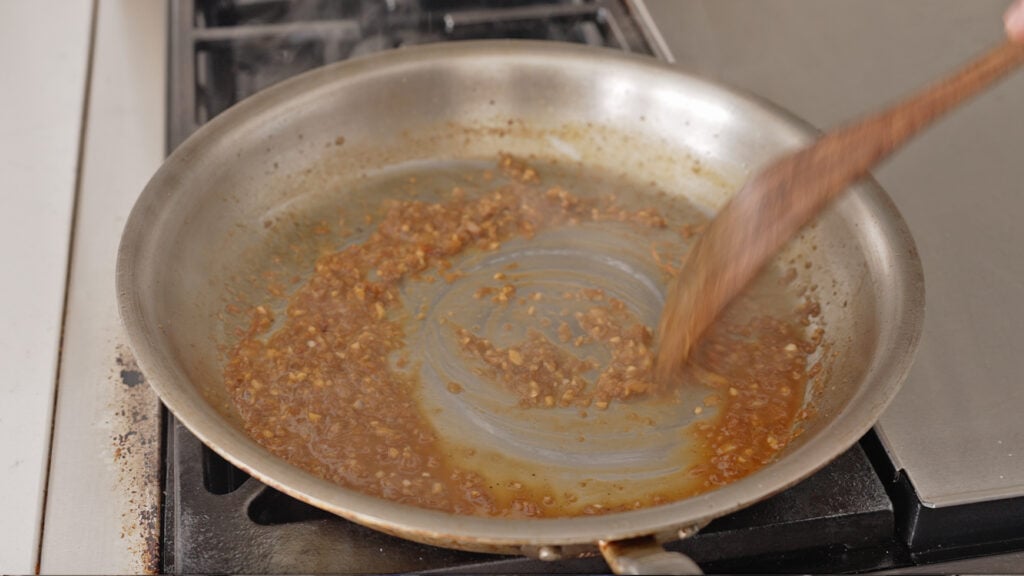
Build the flavor: Caramelize the shallots until browned before adding the minced garlic and anchovy paste. Browning the shallots is where much of the flavor comes from, and the garlic will be fragrant but not browned. When deglazing with wine, immediately start to scrape up all the fond. You’ll know you’re at the right stage when only 2 or so tablespoons of liquid remain. You’ve got this, my friends.
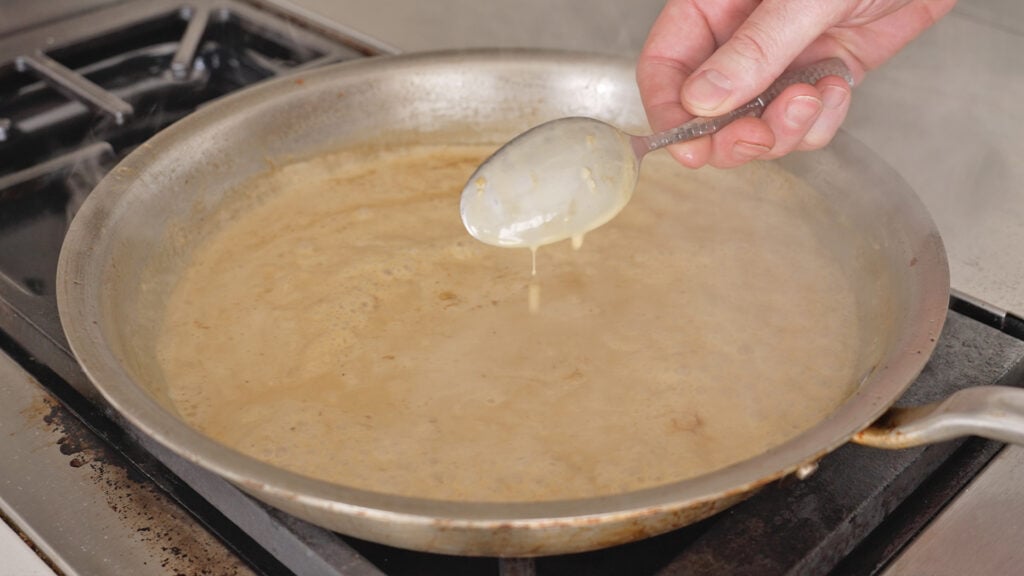
Sauce: The chicken stock and cream reduced together will give you a sauce that will coat the back of a spoon. This is known as nappe. Too much boiling and the sauce could break. If it’s too thin, it will appear watery, and if it’s too thick, it will be lumpy and goopy.
Finish: When you add the Dijon and the vinegar to the sauce, you’ll notice it’ll hit you right in the cheeks when you taste it. From there, that’ll tell you if you need a bit more acid, salt, or pepper. Remember to taste it, season it, then taste it again.
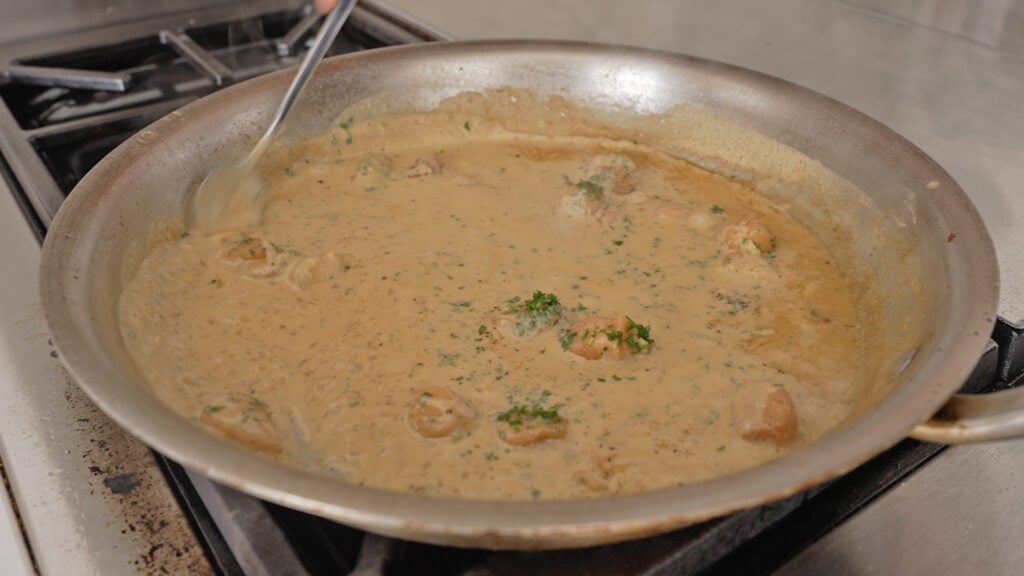
Serve: I add the chicken back to the sauce just to heat it back up for a few minutes before serving it. You don’t need to boil it, or the chicken will overcook.
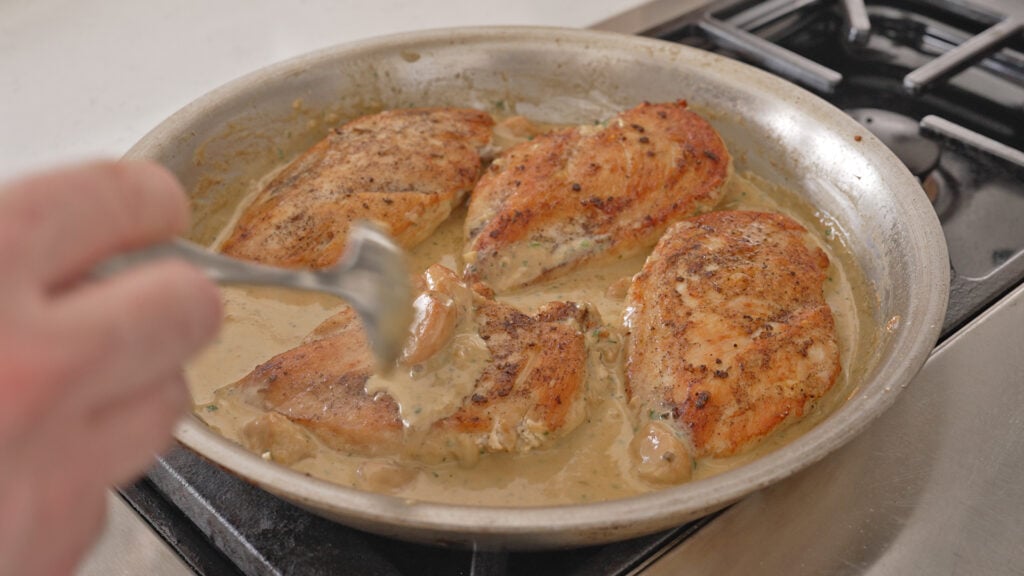
Chef Notes + Tips
Roasted Garlic Option: If you don’t have garlic confit on hand, roasted garlic is an option. Then you would just use plain olive oil when searing the chicken instead of the garlic confit oil.
No Dry Brine – Make the garlic confit a few days ahead. Then you can season the chicken with salt and pepper and begin cooking right away.
Sauce – If the sauce isn’t thickening properly, add 3 tablespoons of a cornstarch slurry, and it will thicken immediately. Now, if the sauce is too thick, I simply add in 2 to 3 tablespoons of chicken stock to thin it back out. If the sauce happens to break and become grainy and oily, then you boiled it too hard. Simply remove it from the heat and whisk in a few tablespoons of cold cream to bring it back.
Leftover Garlic Confit and Oil – The oil and garlic can stay in the fridge in an airtight container for up to 4 days. The garlic confit oil is excellent for searing beef, chicken, pork, or fish, and great to use as the oil base in a vinaigrette.
Serving Suggestions
I actually made quite a few side dishes for this when testing the recipe, and the two that my wife and daughter loved the most and got the thumbs up were my creamy mashed potatoes and steamed green beans. I believe these sides allow the creamy garlic chicken to really stand out.
Now you don’t have to stop there. I loved eating this over homemade pasta, which turned it into a seriously flavorful pasta dish. I also like it over creamy polenta to help bring in a bit of texture and simple corn-like flavors.
More Chicken Recipes
Creamy Garlic Chicken Recipe
Email this recipe!
Enter your email and I’ll send it to you, plus new recipes and tips each week.
Ingredients
For the Garlic Confit:
- 1 ½ cups trimmed whole garlic cloves, about 6 ounces
- 1 cup olive oil
For the Chicken:
- 4 boneless, skinless chicken breasts, about 10-12 ounces each, pounded to about 1 inch thick
- 1 tablespoon unsalted butter
- 1 small shallot, peeled and diced, about ½ cup
- 3 finely minced garlic cloves
- 1 teaspoon anchovy paste, optional
- scant 1 cup dry white wine
- 2 cups chicken stock
- 1 cup heavy whipping cream
- ½ teaspoon Dijon mustard
- 1 teaspoon sherry vinegar
- 2 tablespoons minced fresh parsley, optional
- 2 tablespoons thinly sliced fresh chives, optional
- salt and pepper to taste, about 1 1/2 teaspoons of Diamond Crystal kosher salt per pound of chicken when dry brining or ¾ teaspoon when using Morton kosher
Instructions
For the Garlic Confit:
- Add the trimmed whole garlic cloves and olive oil to a small saucepan and cook over low heat for about 45 minutes to make garlic confit, or until they’re browned and very tender, like roasted garlic.
- Strain the garlic and reserve the olive oil. Cool the leftover oil, then refrigerate it and use it within 4 days.
For the Chicken:
- In the meantime, gently pound the chicken breasts between a folded sheet of parchment paper to flatten them out for more even cooking.
- Pat the chicken breasts dry on both sides with a paper towel. Next, season them on both sides with salt and place them on a rack over a sheet tray. Keep in the refrigerator uncovered for 45 minutes.
- Take the chicken out of the fridge and season it on both sides with pepper.
- Add about 2 to 3 tablespoons of the rendered garlic olive oil to a large 12” stainless steel skillet and heat the pan over medium to medium-high heat. Let the pan heat up for about 90 seconds. There will be plenty of leftover roasted garlic olive oil for other recipes.
- Next, place the seasoned chicken in the pan and cook it for 4 to 5 minutes per side or until golden brown on both sides and at 150° F internally, because it will finish in the sauce. Set the chicken to the side on a plate.
- In the pan, add the butter and shallots, a gentle seasoning of salt, and sauté for 2 to 3 minutes over low to medium heat until browned.
- Next, add in the garlic and cook just until it becomes fragrant, which takes about 30 to 45 seconds.
- Stir in the anchovy paste and cook for just 1 to 2 minutes. Deglaze with the white wine, scrape the brown bits off the pan, and cook over medium-high heat, reducing it until only 2 or so tablespoons of liquid remain. A little more or a little less is not a problem.
- Next, add in the chicken stock, cream, and salt, and cook for 8 to 10 minutes or until it has thickened.
- Finish by adding in 2/3 of the garlic confit, Dijon mustard, sherry vinegar, and half the optional parsley and stir to combine. Taste it! The remaining 1/3 of the garlic confit can be used as a garnish at the end, or cover and refrigerate for up to 4 days.
- Add the chicken back and cook for just 2 to 3 minutes over low heat to reheat it.
- Serve the chicken in the pan with optional garnishes of chives and the remaining 1 tablespoon of minced parsley. I love this with mashed potatoes and steamed green beans.
Notes
Nutrition
 Like this recipe? Rate & comment below!



Get the Latest Recipes
Join Chef Billy’s newsletter for the latest scratch-made recipes, cooking tips, and techniques.