
Classic Italian Chicken Piccata Recipe

- By Chef Billy Parisi
- Updated
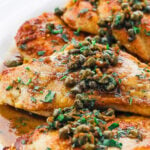
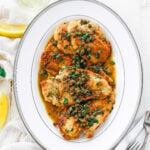
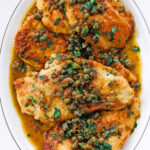
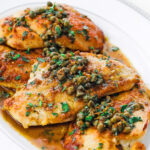
This classic Italian Chicken Piccata recipe is pan-seared and finished with a white wine, lemon, and caper butter sauce. It comes together in less than 30 minutes, it’s got a nice, elegant touch to it, and I especially love this recipe if I’m in a pinch. If you’ve got a date night coming up, the person who gets to eat it is going to love you a whole heck of a lot more after they taste this.
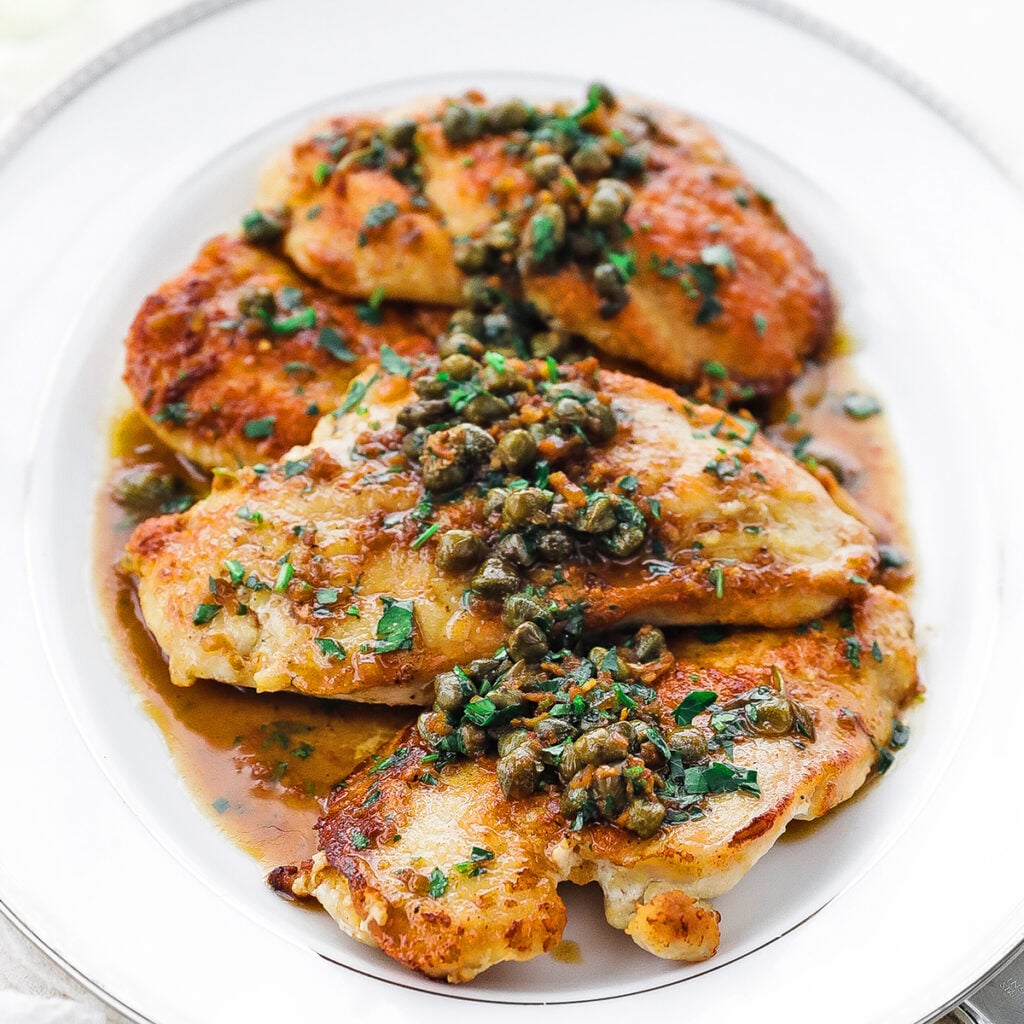
This was one of the first recipes I ever learned how to make when I was in the restaurant industry. I was only 15 when Chef Rob of Gerard’s in St. Louis showed me the intricacies of properly flattening and searing the chicken, getting the pan to the right temperature, and finishing the sauce with butter that didn’t break.
My wife and daughter are big-time chicken fans, so I always enjoy making different dishes like my chicken cacciatore recipe in a tomato-mushroom sauce or perfectly cooked boneless chicken breasts with a simple thyme pan sauce. Both are very easy to make and dang tasty.
“There was only one restaurant in town that made piccata and it closed. I was so excited to see that I could make it. This is the best.”
– Suzanne G.
What Makes Chicken Piccata Authentic?
Authentic Italian piccata is traditionally made with thinly sliced, pounded veal scallopini. I use chicken, which is the more common choice today here in the U.S. because it’s more affordable and readily available, but I keep it classic with the same technique.
What makes it piccata is the method of pan-frying thin slices of meat and finishing them with a butter sauce, similar to a beurre blanc. In the restaurants where I used to work, we used the leftover pan drippings from searing the chicken as the base, then added capers, lemon, and butter.
The sauce is the star of the dish, and it works just as well with pork or fish if you want to switch things up.
Ingredients and Substitutions
- Chicken – I use boneless, skinless chicken breasts. This tender cut allows for quick cooking, especially after being pounded. Boneless, skinless thighs work as well.
- Flour – I use all-purpose flour to lightly coat the chicken. Bread flour works too. I usually go for whatever’s organic and on sale, like Bob’s Red Mill or King Arthur.
- Shallot and Garlic – You definitely don’t have to add the shallot and garlic, but to me, it takes the sauce to another level. If you don’t have any shallots, use a red, white, yellow, or sweet onion.
- Wine – I use a crisp, dry white wine like Pinot Grigio. It gives the sauce a nice acidic base. Chardonnay or Sauvignon Blanc works well too. If you’d rather skip the alcohol, mix 1/2 cup chicken stock with 1 teaspoon of lemon juice.
- Capers – I use regular smaller-sized capers, and prefer the grocery store brand. These add a hint of salt and a briny pop. Any size capers will work, and pitted green olives are a great substitute.
- Lemon – Freshly squeezed lemon juice is the hero of the sauce. If you add too much and it’s overly sour, add a few more tablespoons of butter or even chicken stock.
- Butter – I always go with unsalted so I can control the sodium. Cold butter is key for the emulsion to work. I usually use the store brand, but if you want a little higher fat content, go for Plugrá or Kerrygold.
- Parsley – I finish the sauce with Italian parsley for freshness, earthy tones, and a punch of color. You could also add fresh thyme. If using dried herbs, the ratio is three parts fresh to one part dried.
- Salt and Pepper – I usually use Diamond Crystal kosher salt these days, and I finely grind my own peppercorn blend. You can use Morton kosher salt, but use half as much.
How to Make Chicken Piccata
Cooking the Chicken
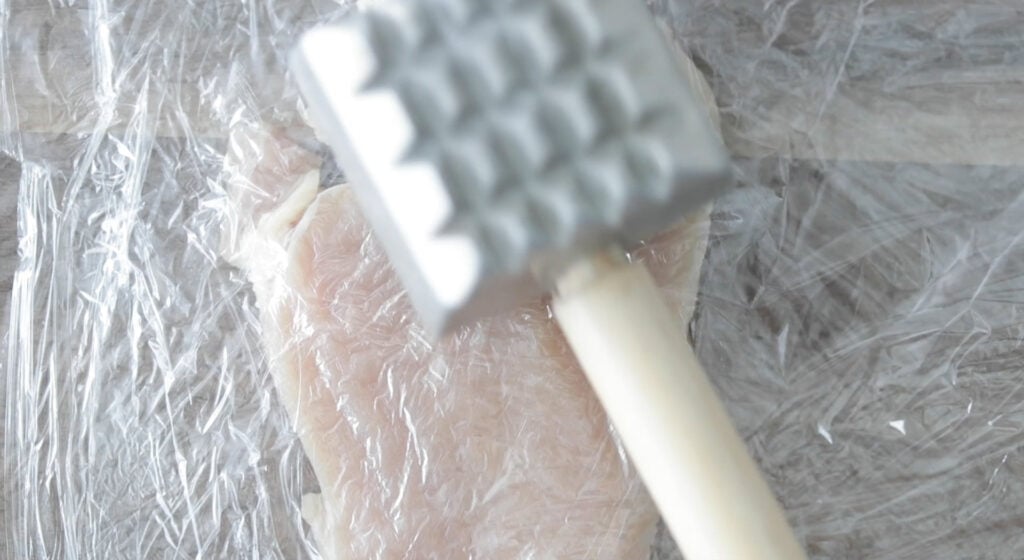
Pound the Chicken: Gently, and I mean gently, pound it out until it’s about a half inch thick. I’m not looking to flatten this out like a chicken Parmigiana. I just want to lightly tenderize it.
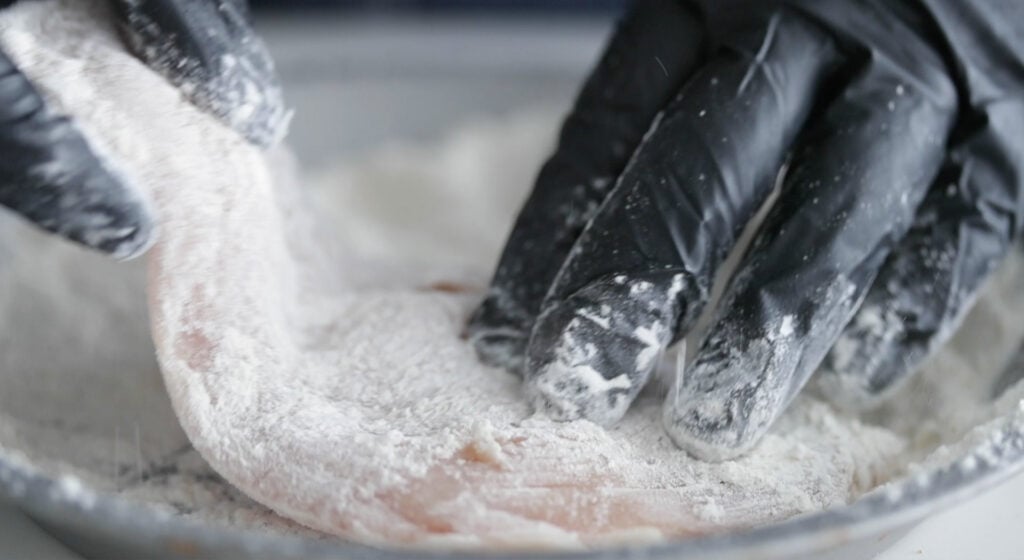
Season and Coat: Before the chicken goes in, put your finger in the flour and give it a taste. If it’s seasoned, you’re good to go. If it needs more salt, add more salt. I want a light coat, not a breading or fried chicken, so give each piece a few pats to get off any excess flour.
Sear: Once the oil begins to smoke, it’s a great time to start sautéing. If the pan is crowded, move a few things over so you get a sear on every little square centimeter. You’re looking for a golden brown on each side. I turn the heat down after the flip because I’m not trying to burn anything. With that flour on there, you just never know. The chicken breast will be firm when finished, and to double-check, use a thermometer. Once it reads 160°F internally, it’s ready to remove.
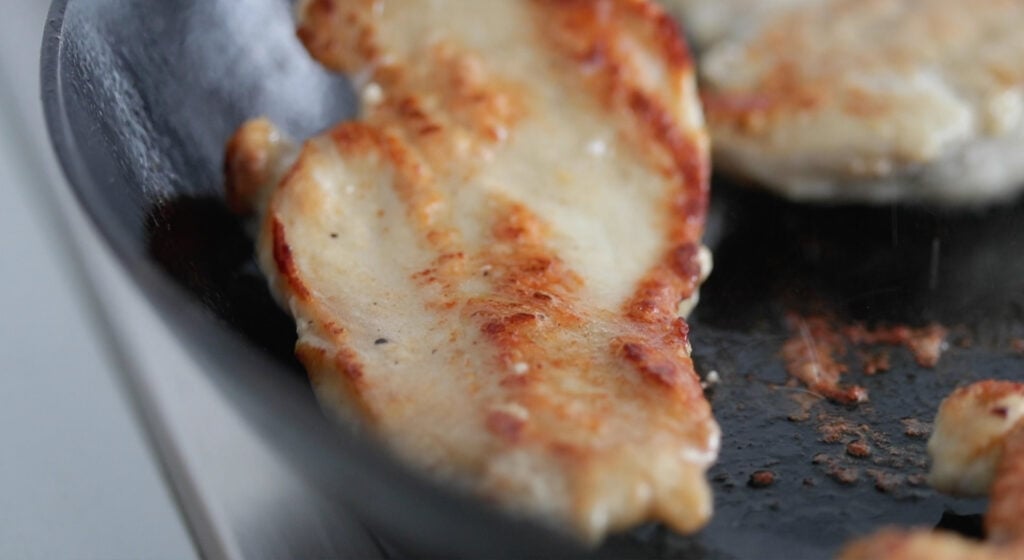
Making the Piccata Sauce
Sauté the Aromatics: A good rule of thumb is that once you smell the garlic cooking, it’s done. The shallots and garlic should be very lightly browned.
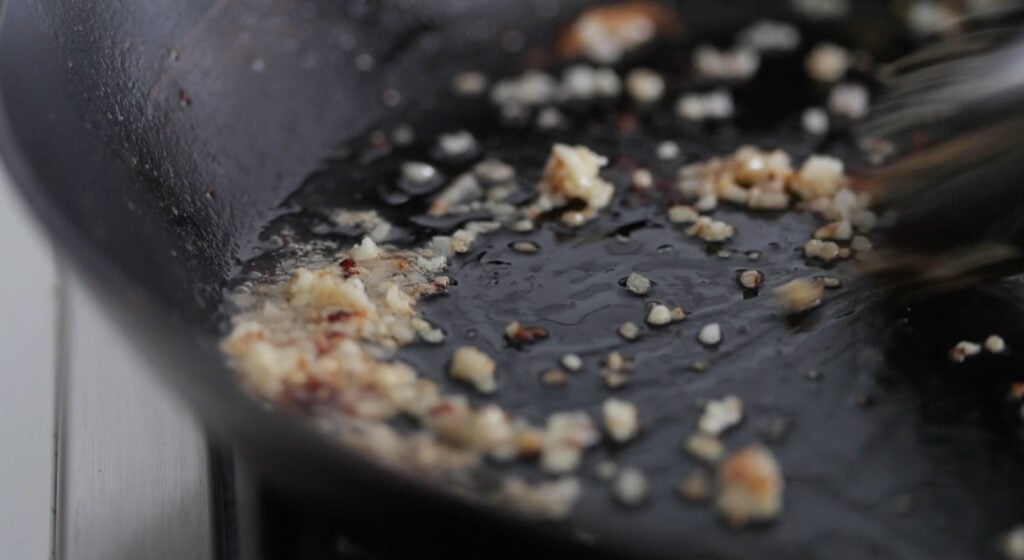
Deglaze: Using your tongs, get that fond, all that goodness stuck to the bottom of the pan. It’s going to add so much more flavor.
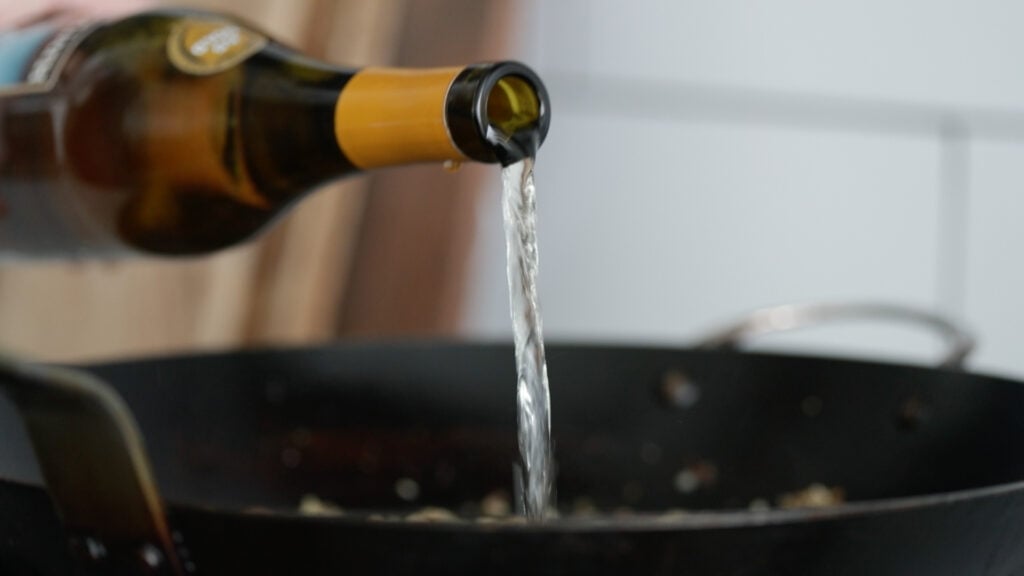
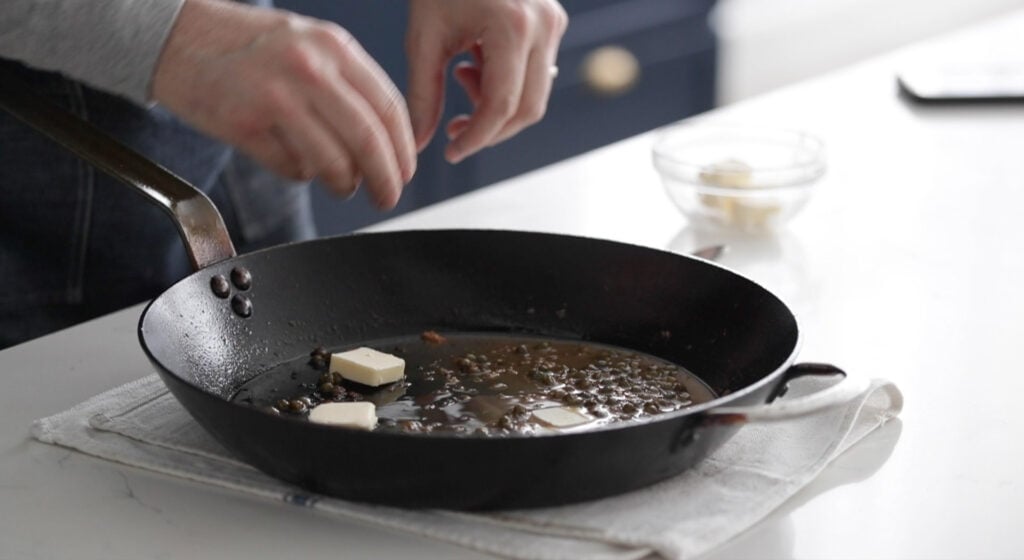
Reduce: Cook it until au sec. It means “almost dry,” and when there’s just a small amount of liquid left, it’s the perfect stage to start adding the butter. If it cooks completely dry, add a few more tablespoons of wine.
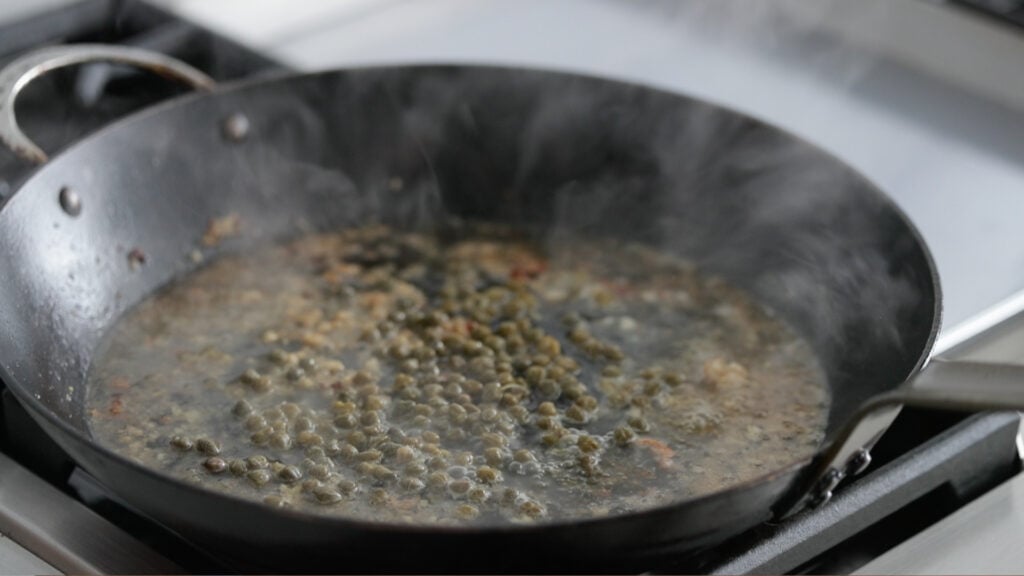
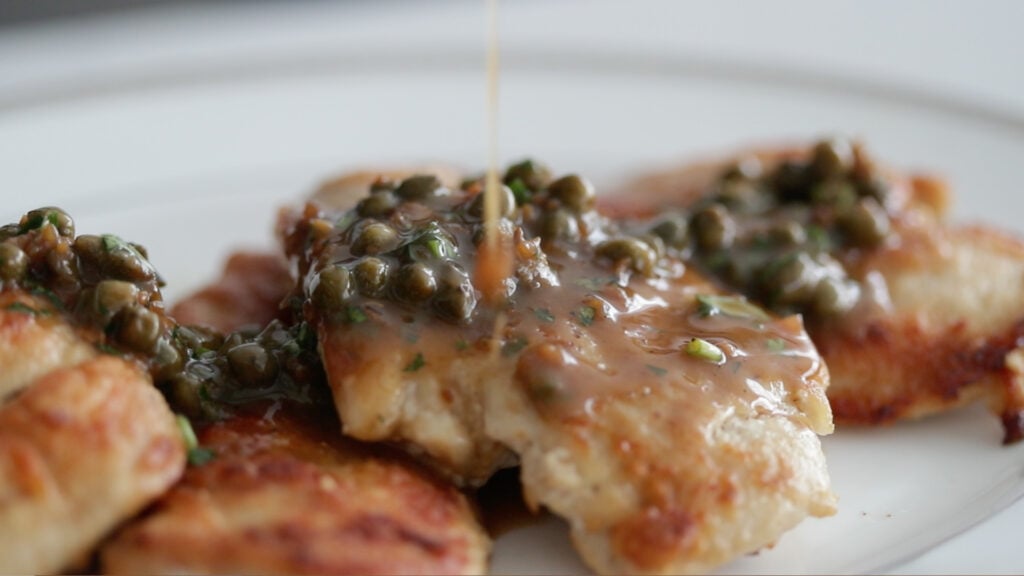
Finish the Sauce: Take the pan off the burner to let it cool a little before adding the cold butter, or your sauce will break. Move the pan around in a circular motion or back and forth. Don’t whisk it too hard. The butter can easily separate, so be gentle. You want that sauce to come together, smooth and velvety. If it needs a little more butter, add a few more pats. If my sauce breaks, I add a few tablespoons of cold heavy whipping cream to bring it back together. Once you understand these basics of cookery, you can start applying them to your everyday cooking, and it’ll taste way better.
Serve: I like to serve this on a large platter and spread everything out to show it off.
Chef Notes + Tips
The Pan – I used a large 12″ de Buyer carbon steel pan when cooking this. Once it’s seasoned, it’s naturally non-stick, and when it gets hot, it stays hot.
Carryover Cooking – Pulling the chicken at 160°F accounts for carryover cooking. It keeps cooking as it rests while I make the sauce and finishes at 165°F.
Gluten-Free Option – I skip the flour on the chicken when I want to keep the recipe gluten-free for guests, and simply season it on both sides with a little bit of salt and pepper.
Serving Suggestions
I like serving chicken piccata with a bowl of creamy risotto or tossing it with some homemade pasta. When I want something a little more comforting, I go for garlic mashed potatoes and add some roasted root vegetables on the side.
Another favorite is spooning it over polenta with a fresh Italian tomato salad to balance it out. And if my family is around the table, I always bring out some focaccia bread to sop up all the sauce on the plate.
More Chicken Recipes
Classic Italian Chicken Piccata Recipe
Email this recipe!
Enter your email and I’ll send it to you, plus new recipes and tips each week.
Ingredients
- 2 boneless skinless chicken breasts, about 8 to 12 ounces each
- ½ cup all-purpose flour
- 3 tablespoons olive oil
- 1 peeled small diced shallot
- 2 finely minced cloves of garlic
- ¼ cup dry white wine, like Pinot Grigio
- ¼ cup capers
- juice of 1 lemon, about 2 to 2 1/2 tablespoons
- 1 stick cold unsalted butter, cut into pats
- 2 tablespoons chopped fresh parsley
- Diamond Crystal kosher salt and black pepper to taste
Instructions
- Slice the chicken breasts in half widthwise.
- Place them between 2 large pieces of plastic wrap or in a large plastic zip bag and gently pound them with a mallet until they are about a ½” thick. Set aside.
- Add the flour to a bowl, season very well with salt and pepper, and mix.
- Coat the chicken breasts on both sides in the flour and pat off any excess flour. Set on a plate.
- Add the olive oil to a large frying pan over high heat. Once the oil begins to smoke very lightly, add the chicken breasts and immediately turn the heat down to medium.
- Cook for 4-5 minutes or until browned and halfway cooked through, and flip over.
- Turn the heat down to low and cook for a further 4-5 minutes or until it's cooked through and reads 160°F internally.
- Remove the chicken breasts and set them aside.
- Add the shallots and garlic to the pan where the chicken was cooked and sauté for 1 to 2 minutes or until very lightly browned over low to medium heat.
- Add in the wine, capers, and juice of ½ lemon and cook until the liquid is almost gone or about 1-2 tablespoons are left.
- Remove from the heat and add in the cold butter and swirl the pan in a circular motion until completely melted.
- Finish with parsley, 1 tablespoon of lemon juice, salt, and pepper, and pour over the cooked chicken breasts and serve.
Notes
Nutrition
 Like this recipe? Rate & comment below!



Get the Latest Recipes
Join Chef Billy’s newsletter for the latest scratch-made recipes, cooking tips, and techniques.
It was delicious. Followed your recipe to the letter. Thanks Chef.
Thank you!
Great recipe!
If you don’t have shallots, what else can you use?
sweet onion
Another excellent recipe Chef Billy! Easy, quick and delicious with ingredients that are at hand. You never disappoint. Let’s cook!
Thank you so kindly!
Hey Chef, I started a middle school cooking club this year and we can’t have any alcohol in the school. What should I use as a substitute? Many thanks! WR
Chicken stock
This is the best. There was only one restaurant in town that made piccata and it closed. I was so excited to see that I could make it. This is the best. Thank you!
Hope you love the homemade version just as much as the restaurant one!
It was great but the 1/2 lemon was too sour for my taste
Pounding the chicken was a learning experience. I placed the chicken inside the plastic 1/2 gallon bag. The next times I will place between two bags.
Appreciate you giving it a try!
Can gluten free flour be used as a substitute for regular flour? Doesn’t the flour help the sauce to thicken a bit?
I think you probably could, just not sure if it will stick or not.
Thank you, I may just do without. Appreciate your reply. Happy Easter!