
Homemade Dinner Rolls Recipe

- By Chef Billy Parisi
- Published
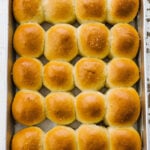
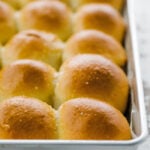
This easy-to-make homemade Dinner Rolls Recipe is baked until golden brown with a light, airy center for the perfect bread side dish to any meal. Believe it or not, these are a lot simpler to prepare than you may have thought.
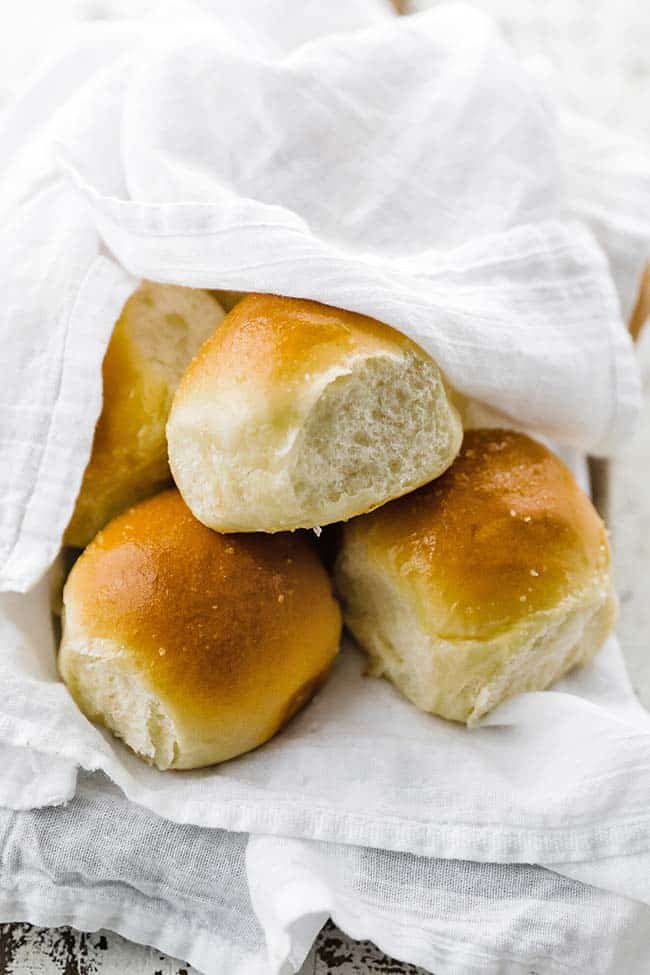
It doesn’t matter if you make an artisan country loaf or banana bread. There is nothing like making a fresh bread recipe at home. It will taste significantly better when you make it homemade, and you’ll also learn new bread-making tricks.
Dinner Rolls
Dinner rolls are made from a simple yeast-raised dough formed into individual balls and baked until golden brown and light and fluffy on the inside.
They are an excellent side dish to serve with an everyday dinner and of course, are a staple for larger holiday meals. These can also be slider buns if you’re looking for a homemade recipe and would like to serve them in that manner. There isn’t a kid out there who didn’t immediately reach for the rolls once they sat at the table.
Ingredients and Substitutions
- Milk – I used whole milk in this recipe to give it more fat. However, you can substitute with 1%, 2%, or skim milk.
- Sugar – Regular granulated sugar is used in these dinner rolls.
- Yeast – I used active yeast for this recipe, but you can also use instant yeast. If you are using instant yeast, you do not need to wait for it to form a raft with the sugar and warm milk.
- Butter – I always use unsalted butter in my cooking and baking to control the sodium content.
- Flour – All-purpose flour is used in these rolls. Bread flour can also be used.
- Salt – I always use coarse salt in my cooking and baking.
- Eggs – Large eggs that are chilled or at room temperature will work in this recipe.
How to Make Dinner Rolls from Scratch
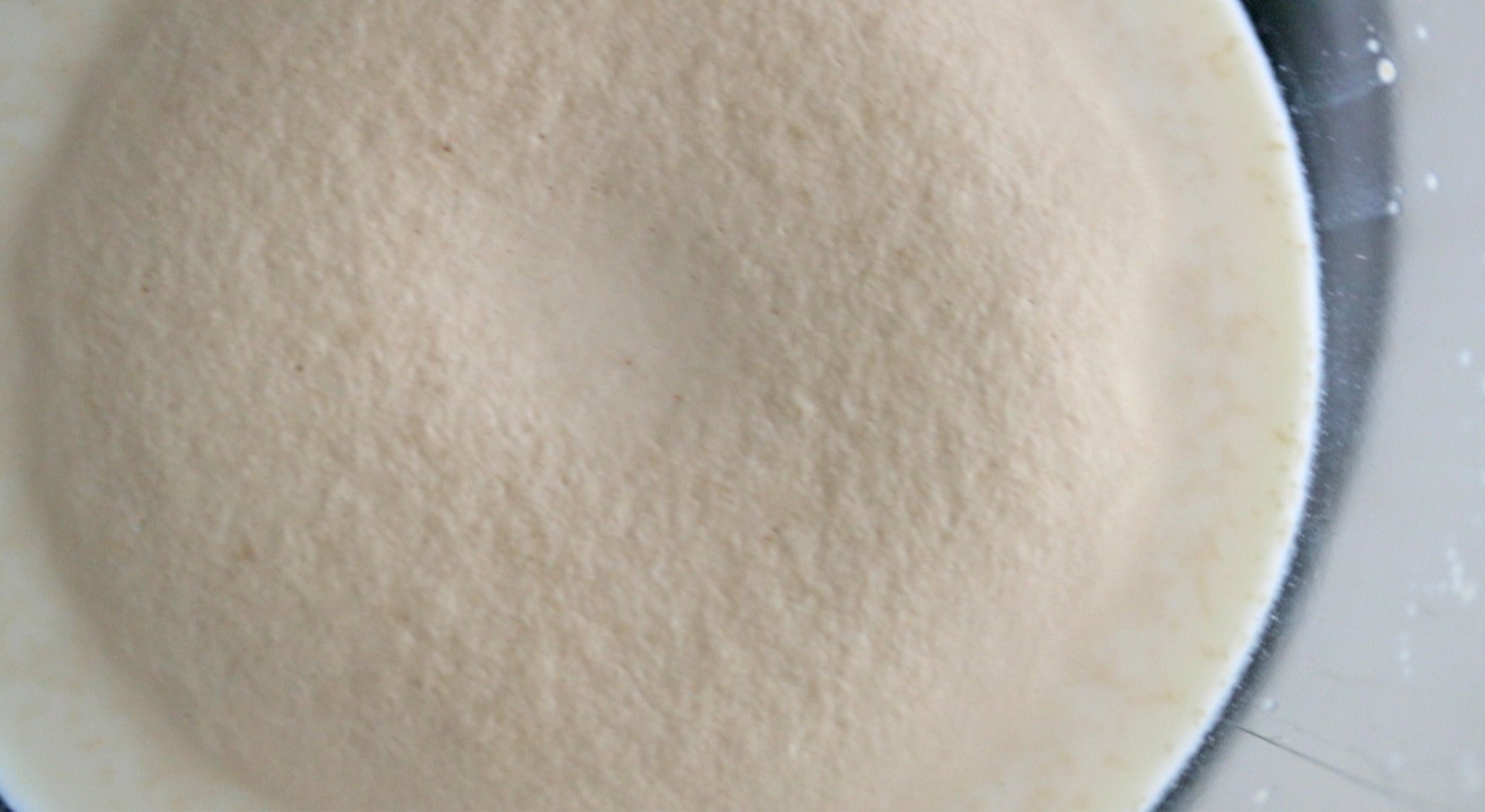
Add your hot milk between 112° and 115° and pour it into your standing mixer. Immediately add sugar and sprinkle in your active yeast. Whisk the mixture and let it sit for 4-6 minutes or until a raft forms on the top.
Add the hook attachment and turn the stand mixer to low while adding the remaining sugar, butter, and salt.
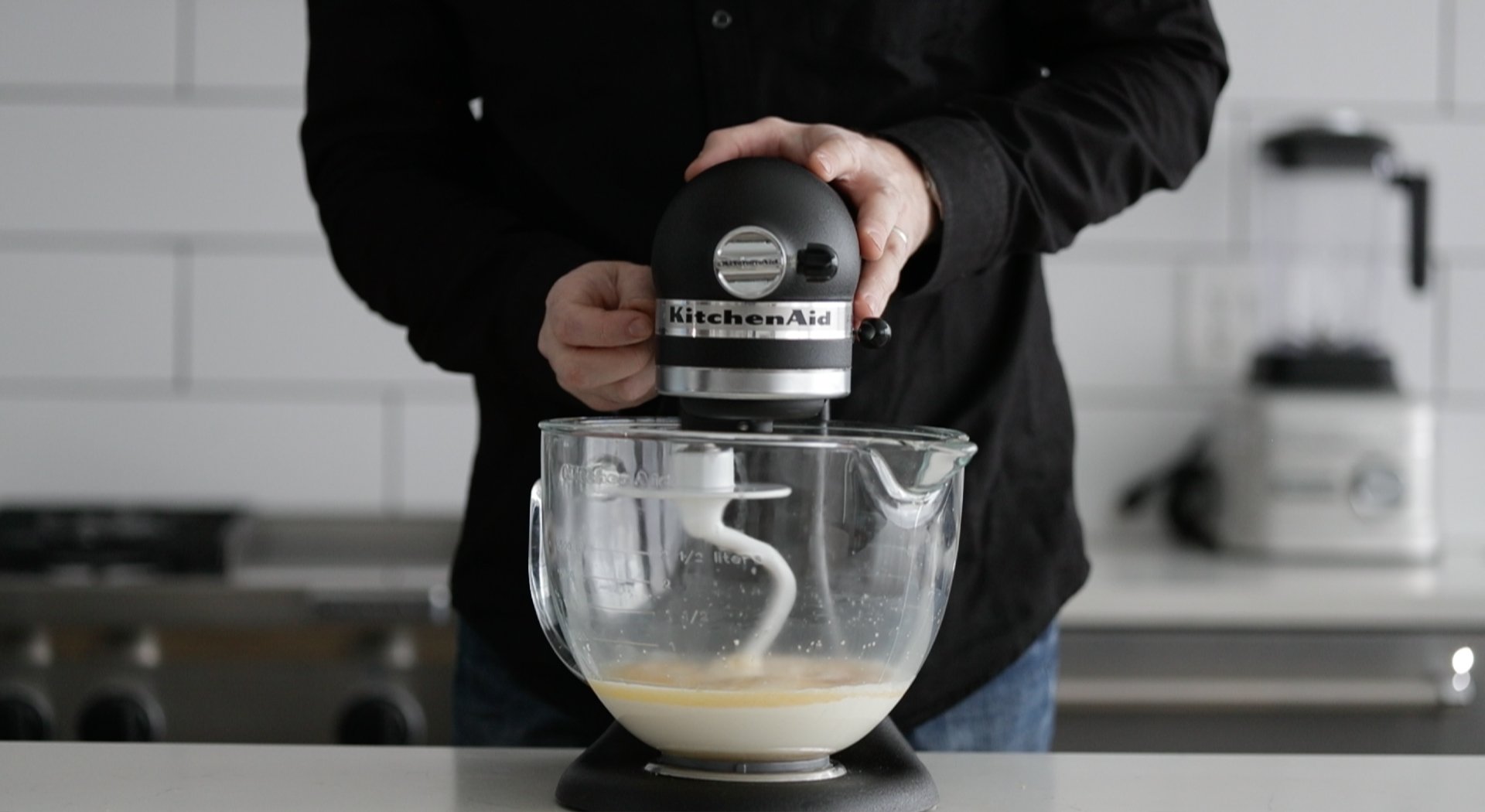
Slowly add the flour, a few scoops at a time, so that the mixer can catch up and mix all the ingredients. You don’t want to dump everything in there at once.
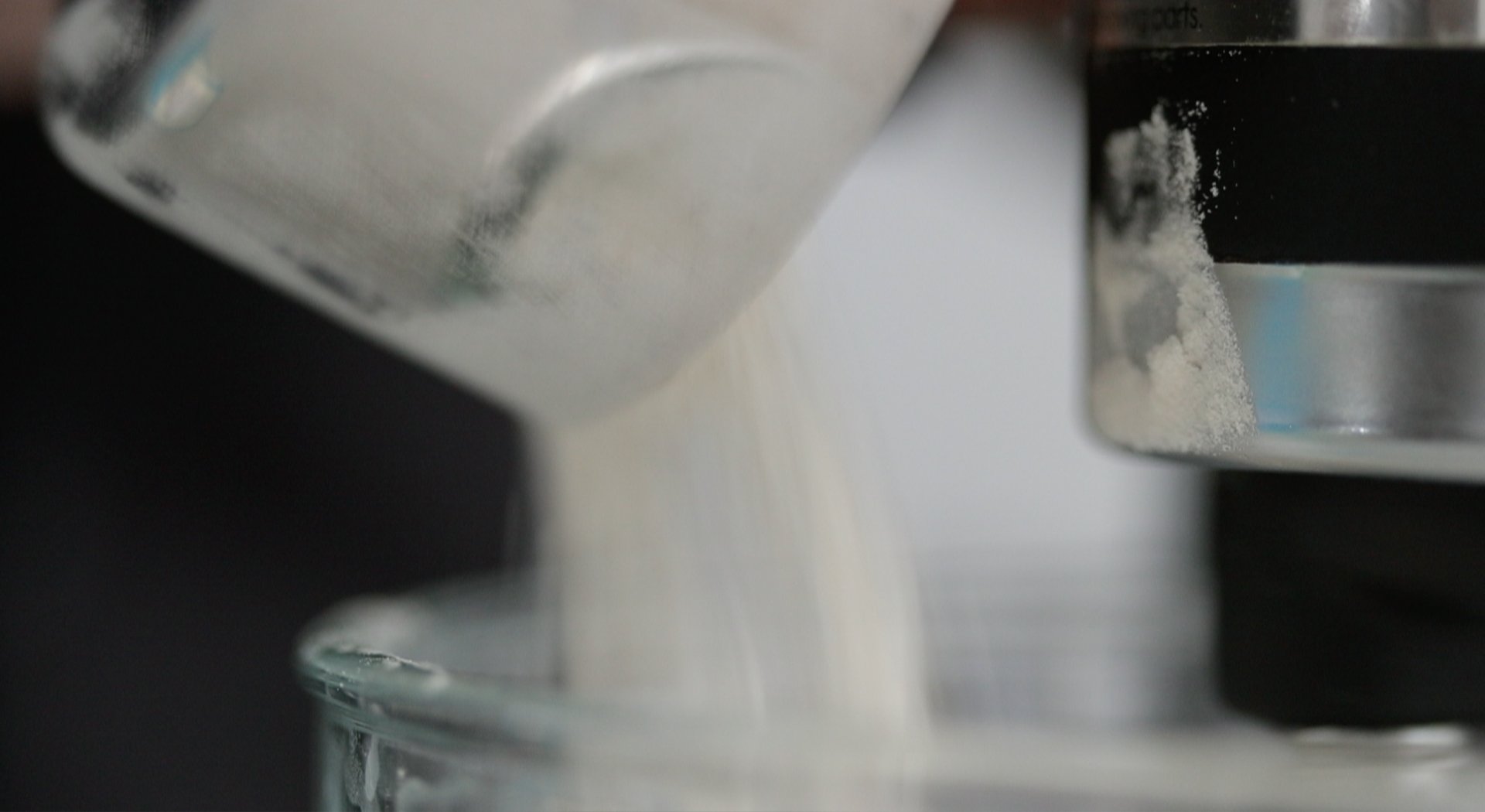
Add 1 egg at a time, until mixed in, and then knead it on medium speed for 3-5 minutes.
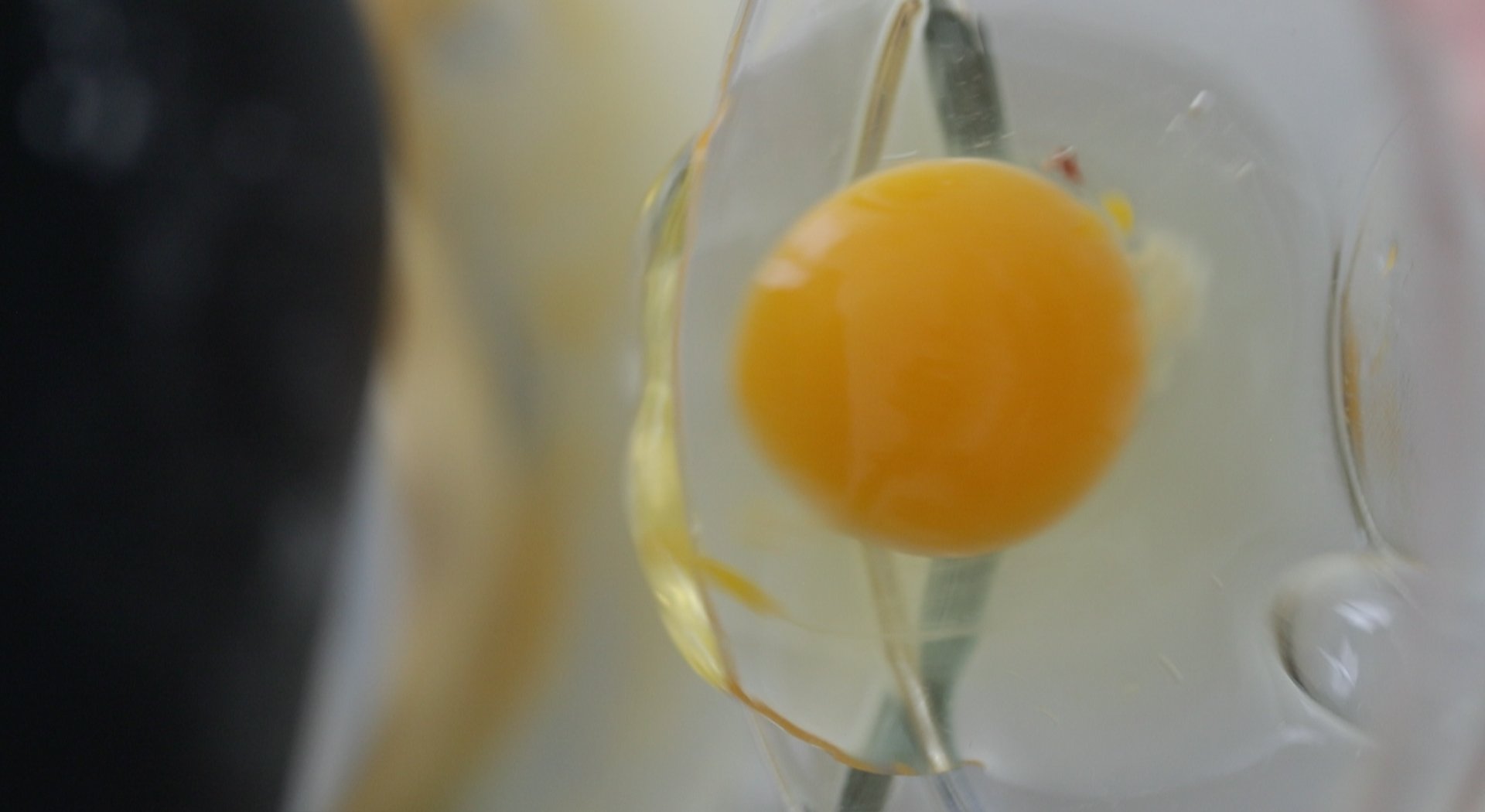
Next simply add your dough to a container, cover with a towel or plastic wrap, and place in an un-used oven with the oven light on and let it proof for 1 hour or until doubled in size.
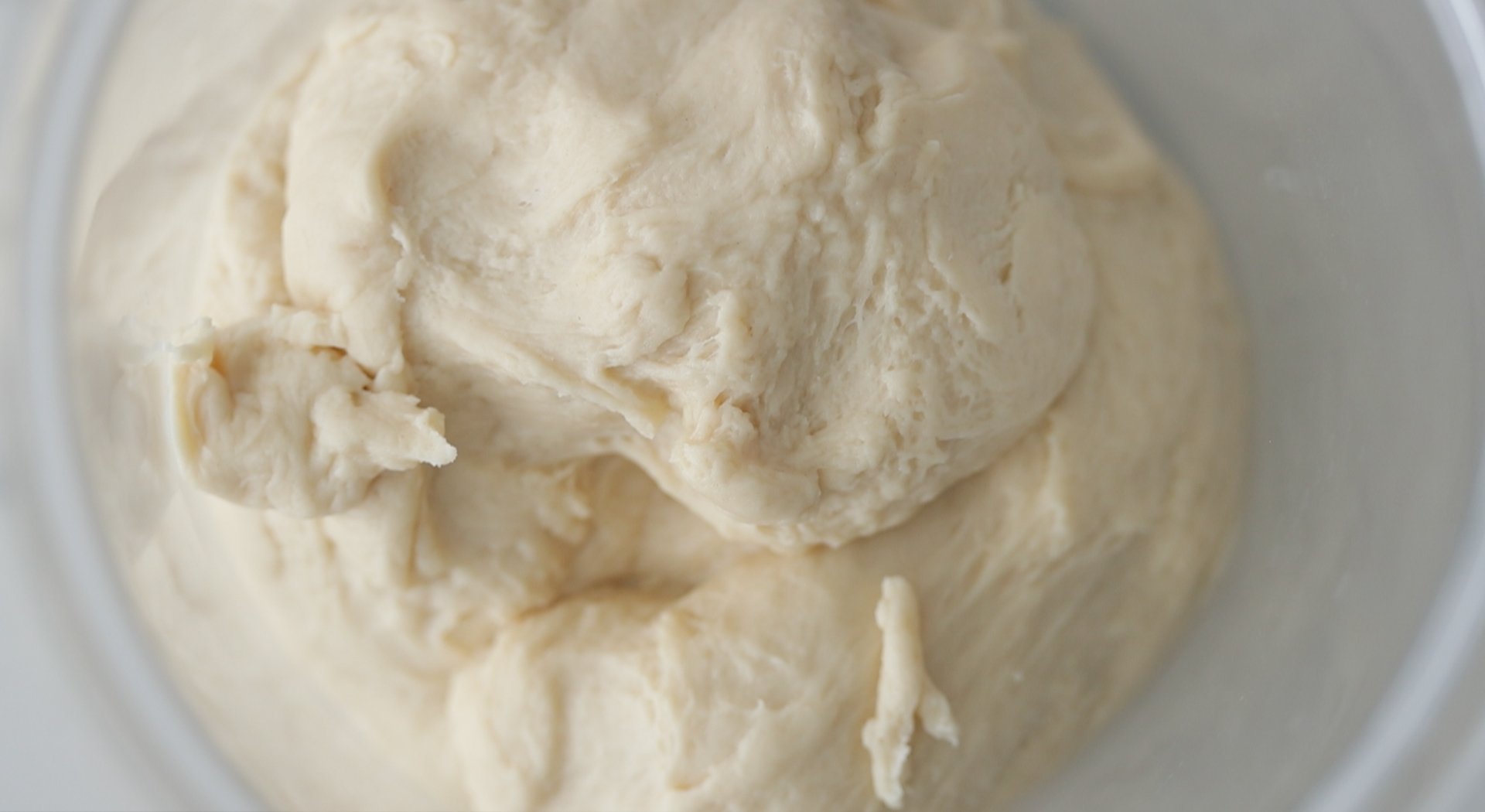
Remove the dough from the oven and place it on a clean surface dusted with flour and punch it down to simply flatten it out. We want it to rise again, so this is why you do it.
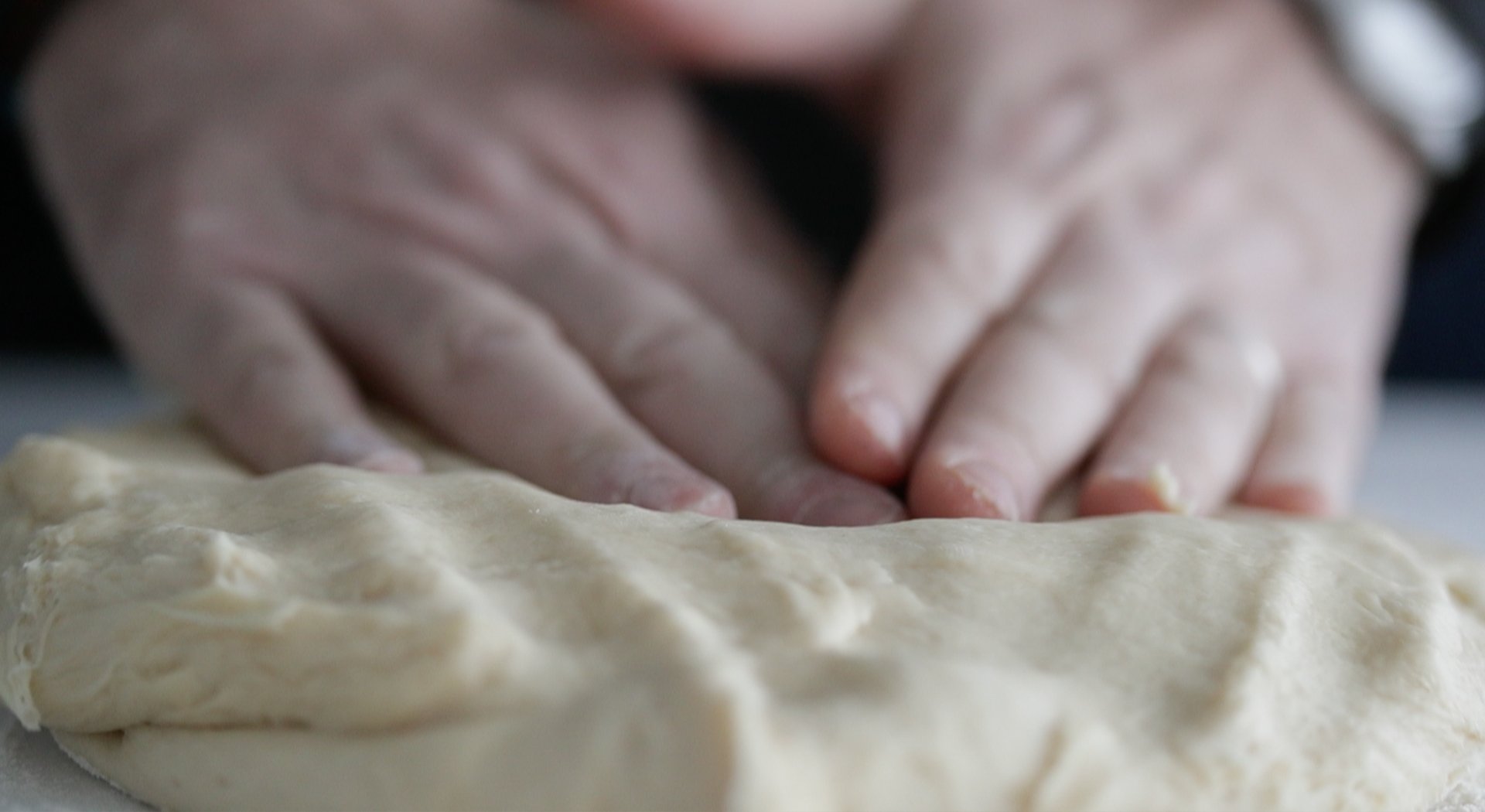
Form 20 individual golf-sized dough balls and place them about 1” apart from each other in a greased and lined with parchment paper cookie sheet tray or 13×9 dish.
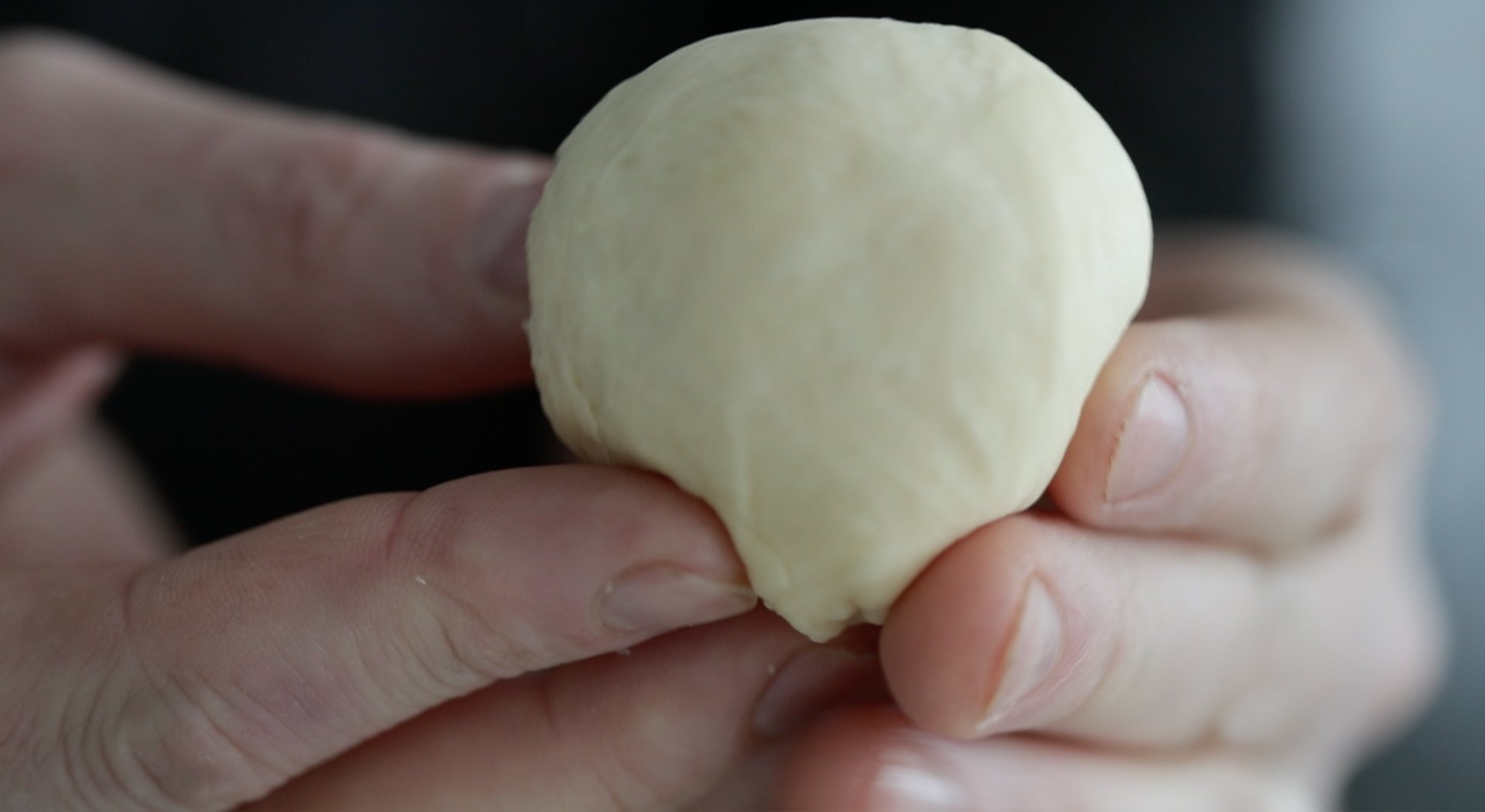
Place a towel over the top of the bread and let it rise for 30 more minutes. You can absolutely place it back in the unused oven with the oven light on.
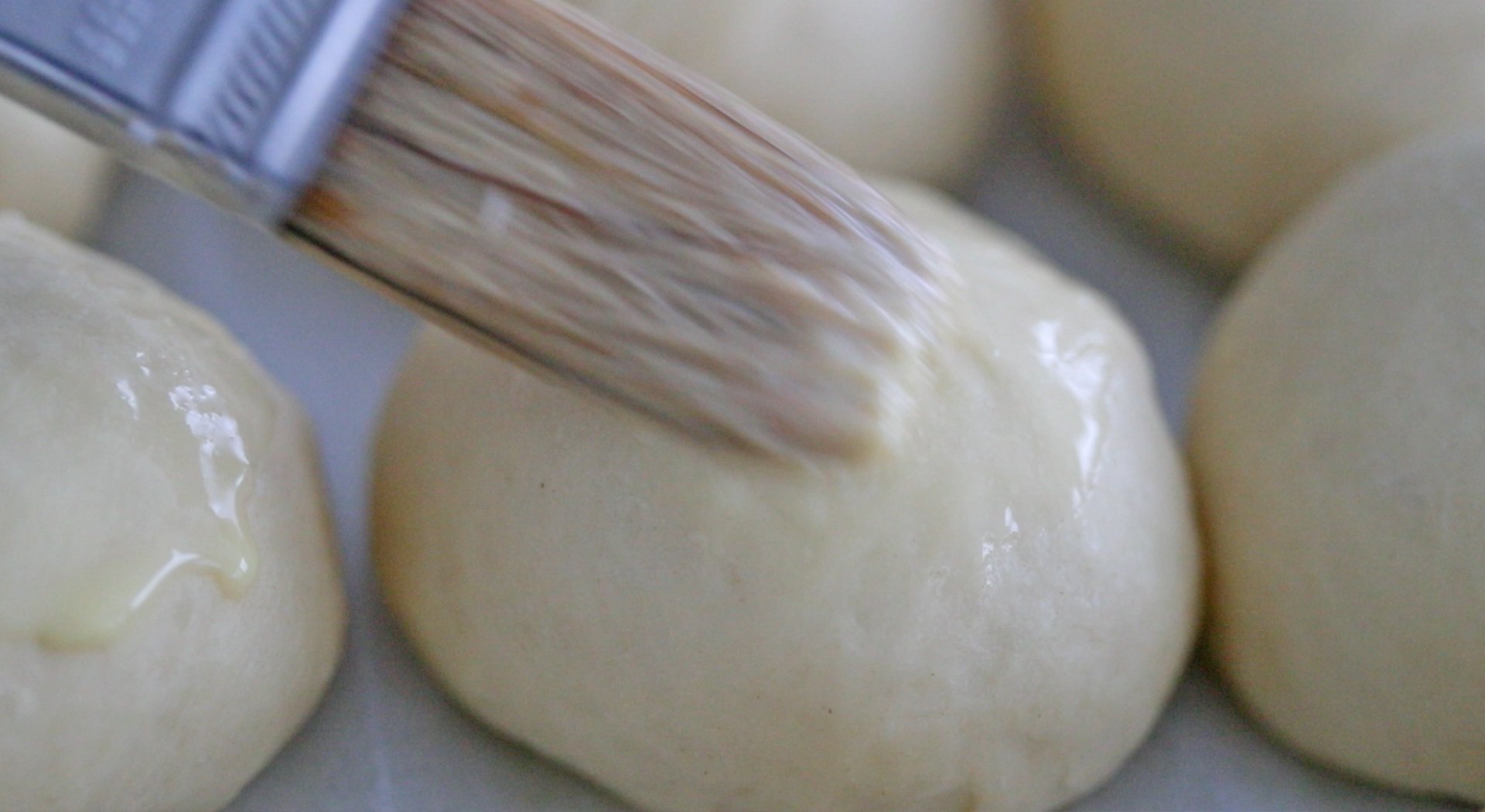
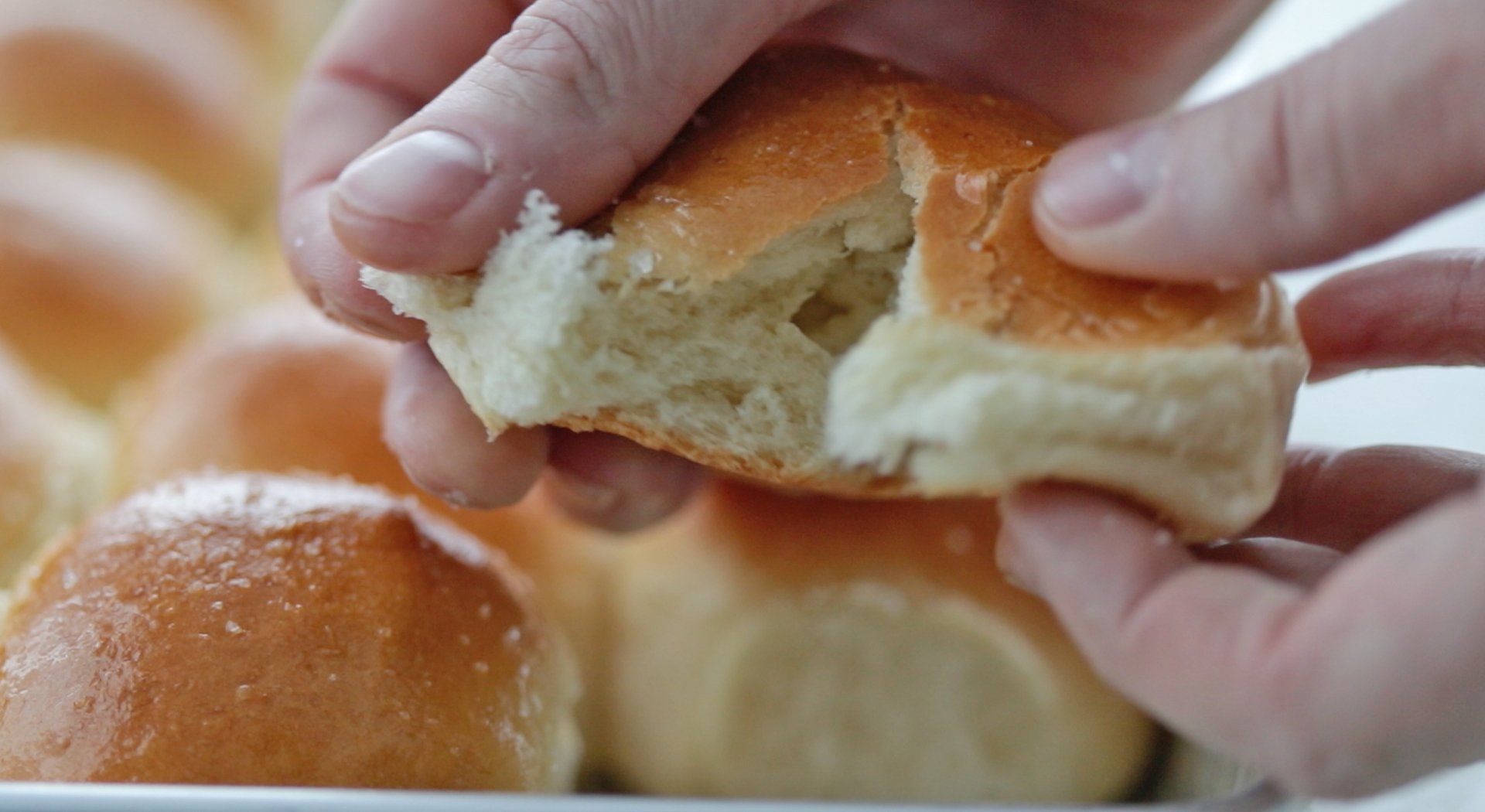
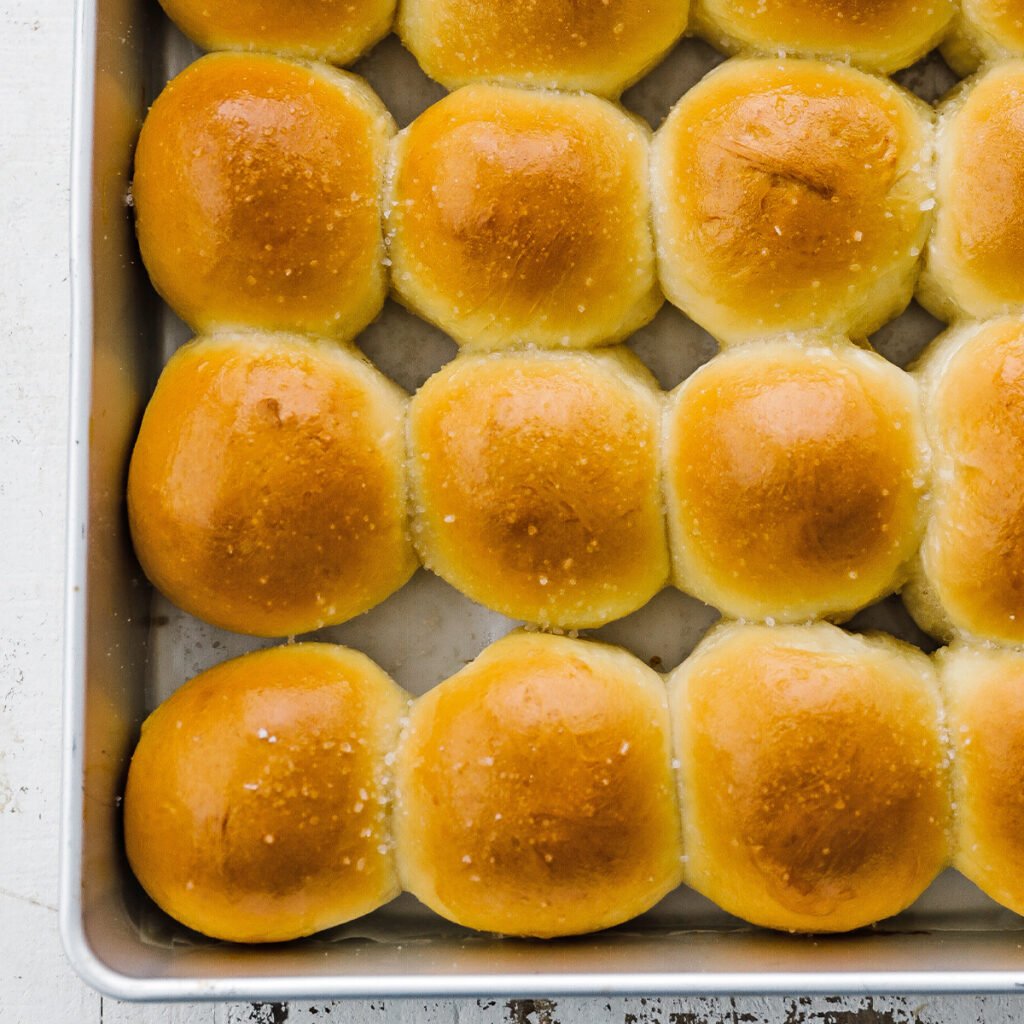
Remove the towel and brush the tops of the dinner rolls with a simple egg wash of whisked egg and milk. This will help them brown up beautifully. Bake the dinner rolls in the oven at 350° for 25-30 minutes. They should be golden brown on top and soft but cooked in the middle.
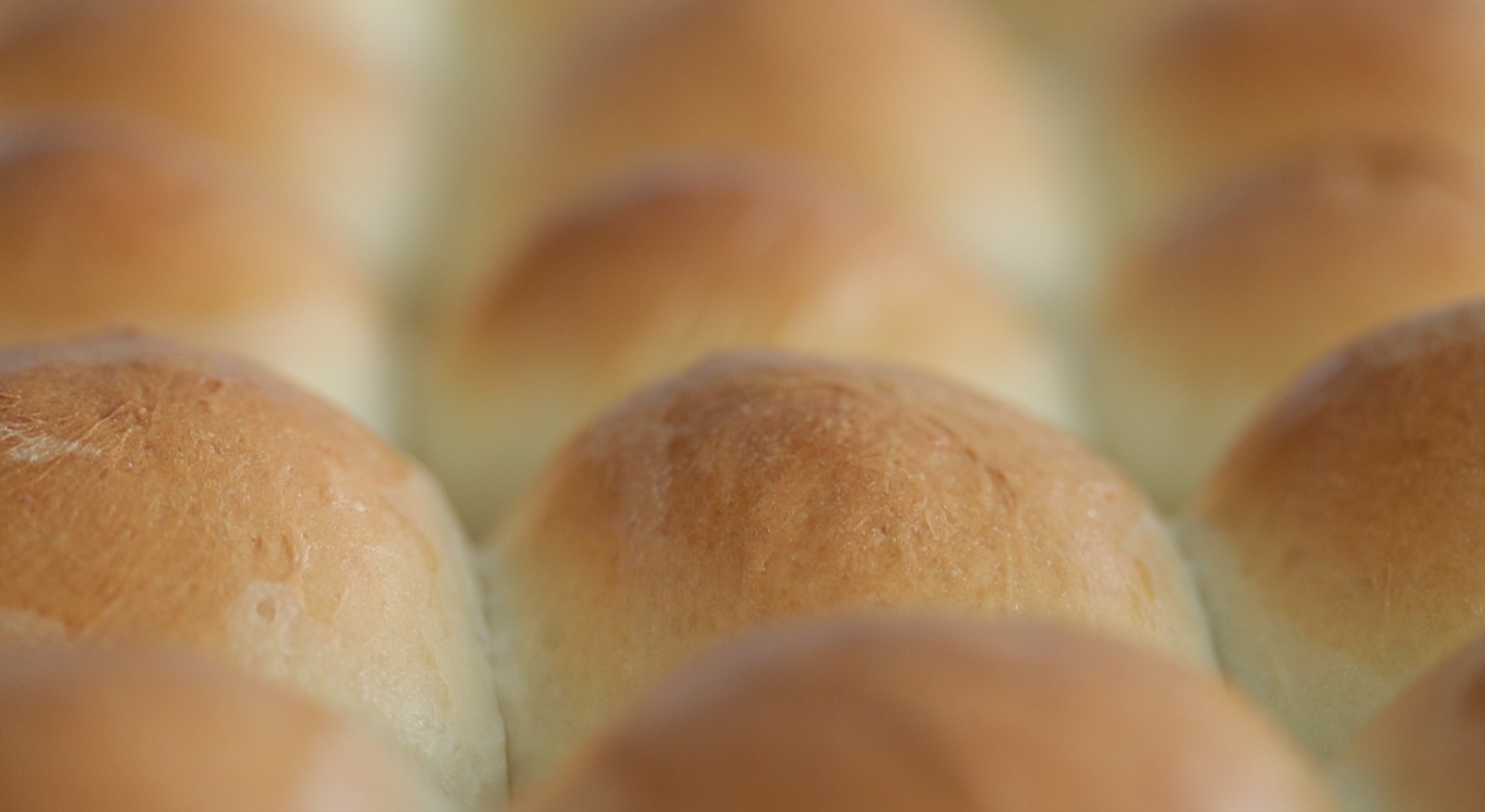
Brush on some melted unsalted butter, sprinklesome coarse salt, and have it, my friends.

CHEF NOTES + TIPS
- It is best to reheat these in the oven at 350° for 4 to 6 minutes or until warm.
- Bread, in most cases, is usually done rising once it’s doubled its size.
- You will be okay if your yeast hasn’t expired and your liquid is between the optimal 105° and 110°, even if no raft forms.
- The most foolproof way to activate yeast is to start with a warm liquid. While most active yeasts call for an optimal temperature of 105° to 110°. However, if I add it to a mixing bowl, I usually elevate these temperatures by 5° to 7°.
- When you transfer hot liquid to a mixing bowl, it is almost always cold and immediately drops the temperature from 5° to 7°, making it perfect. Always account for stuff like that because if it’s too cold, the yeast won’t activate.
- Try proofing your bread in the oven with it turned off, slightly cracked, and only the oven light on. This will create the perfect proofing environment and temperature.
- When the rolls are done baking, add some herb butter, garlic butter, or cheese to the top for more flavor.
- Bread should have a nice, thin, or thick brown crust on top and a cooked, soft center. There should be no raw dough. They will read at least 190° internally when they are done.
Make-Ahead and Storage
Make-Ahead: You can make these 1 day ahead before baking them. Once they are on the baking sheet, place them in the refrigerator until about 90 minutes before you want to eat them. Remove them from the refrigerator and let them sit for 60 minutes to get up to room temperature. Bake them according to the instructions.
How to Store: Keep covered at room temperature for up to 3 days or in the refrigerator for up to 5 days. These will freeze well, covered for up to 3 months. Thaw in the refrigerator until soft.
How to Reheat: If you want to serve these warm, add them to a casserole dish and cover them with foil. Bake at 350° for 4 to 6 minutes or until hot.
More Bread Recipes
- Homemade Pita Bread Recipe
- Homemade White Bread
- French Boule with Poolish
- Kamut Flour Bread with Biga
- Gougéres
Homemade Dinner Rolls Recipe
Email this recipe!
Enter your email and I’ll send it to you, plus new recipes and tips each week.
Ingredients
- 1 ½ cups whole milk at 115° + 2 tablespoons
- ¼ cup sugar
- 1 packet active yeast
- 7 tablespoons unsalted melted butter + more for brushing
- pinch coarse salt
- 4 1/2 cups All Purpose Flour
- 3 large eggs
Instructions
- Add the 1 ½ cups hot milk, 1 tablespoon of sugar, and yeast to a standing mixer with the hook attachment. Whisk with a whisk until combined and let it sit for 4-6 minutes or when a raft forms.
- Add the remaining sugar, 7 tablespoons of melted butter, and sea salt.
- Turn the mixer on low and slowly add the flour in 4 or so batches until combined.
- Add 2 eggs until mixed in, and then knead for 3-5 minutes.
- Cover and let rise until it has doubled in size for 60 minutes.
- Punch down the dough and form 20 small golf ball-sized dough balls. Place 1” apart in a greased and parchment paper-lined cookie sheet tray or 12×18 baking pan.
- Cover with a towel and let rise for 30 more minutes.
- In a small bowl, whisk together the remaining egg and 2 tablespoons of whole milk until combined.
- Brush the tops of the bread with the egg wash and bake at 350° for 25-30 minutes or until browned on top and soft and cooked in the middle.
- Brush with unsalted melted butter and sprinkle on sea salt.
- Serve warm.
Notes
Nutrition
 Like this recipe? Rate & comment below!



Get the Latest Recipes
Join Chef Billy’s newsletter for the latest scratch-made recipes, cooking tips, and techniques.
Thank you so much for this. I gave it 5 stars even though I have not actually made the recipe, which sounds amazing, but more importantly for the instruction, I have never known how to work with yeast or how to properly knead dough, and this was the best instruction I have ever come across. I feel like I could make this recipe and be confident it would turn out great! I am 71 yrs old by the way, and my first and last attempt at making something using yeast was about 40 years ago! I had no idea what I was doing and it was an epic fail! I have numerous bread and roll recipes saved, because who doesn’t love them, but never had the nerve to try again. Thanks for the confidence. You are a great teacher!!
Yummy, Good tasty homemade rolls. Making them again for Easter. Thank you for all your recipes, im in heaven.
We loved these. I put some in the freezer before the last rise & I take them out of the freezer to thaw & rise before baking.
Excellent!
These are the best rolls. Addictive!
We make the at least twice a month, a double batch
I have just finished baking and eating your dinner rolls. Very easy to make. Thank you for all your recipes. So far I have only tried the Ham and potato soup and now the buns. I will definitely be making more of your recipes from now on.
Great recipe. So easy and you can make anything out of the dough. My wife loves Oliver Garden garlic parm bread sticks, I use this same recipe and just make the different shape!!
Best easiest fluffy rolls my go to forever now.
Second time making these rolls. Easy to follow and mighty tasty.
Wonderful fluffy rolls. Made them for Christmas dinner and everyone raved about them!! Very easy!!!
My wife and I spent xmas eve making these…they were awesome! Thank you and happy holidays. How may I post a photo of our Dinner Rolls? I posted it on your FB page as AJ Simon. Cheers.